How to Organize a Small Bedroom Without Buying Furniture
A small bedroom needs to do a lot with little floor space. The best fix is often to move what you already own, not buy another wardrobe. Here is a room-by-room method for clothes, bedside items, laundry and shared storage. It starts with the places clutter appears and ends with a simple routine that lasts.
Before you begin
- Check the space and list the main problem.
- Read product labels and measure before making changes.
- Set aside time to clean up and review the result.
1. Map where the clutter collects

For three days, note exactly where shirts, chargers, laundry, and bags land. A chair covered with clothes suggests the wardrobe takes too much effort to use. A crowded bedside shelf suggests there is no home for small items. Map these hot spots before moving anything.
Test this change
After the first change, use the room for a normal day and note which step still causes trouble. Fix that one before adding another product. Think about the exact task described above and whether the item is safe, easy to reach and simple to maintain. Do not buy a new storage item, cleaner or tool until you have checked what is already at hand.
2. Clear the floor before sorting shelves
A clear floor makes the room feel easier to use. Move shoes, loose cables, and bags into their existing homes. Leave a safe route from the bed to the door, especially for night-time trips. Do not use the floor under a window as overflow storage.
What makes it work
A quick sketch, photo or measurement can prevent the wrong purchase. Keep parts that need later access clear and follow the maker’s instructions. Think about the exact task described above and whether the item is safe, easy to reach and simple to maintain. Do not buy a new storage item, cleaner or tool until you have checked what is already at hand.
3. Sort clothes by what you wear
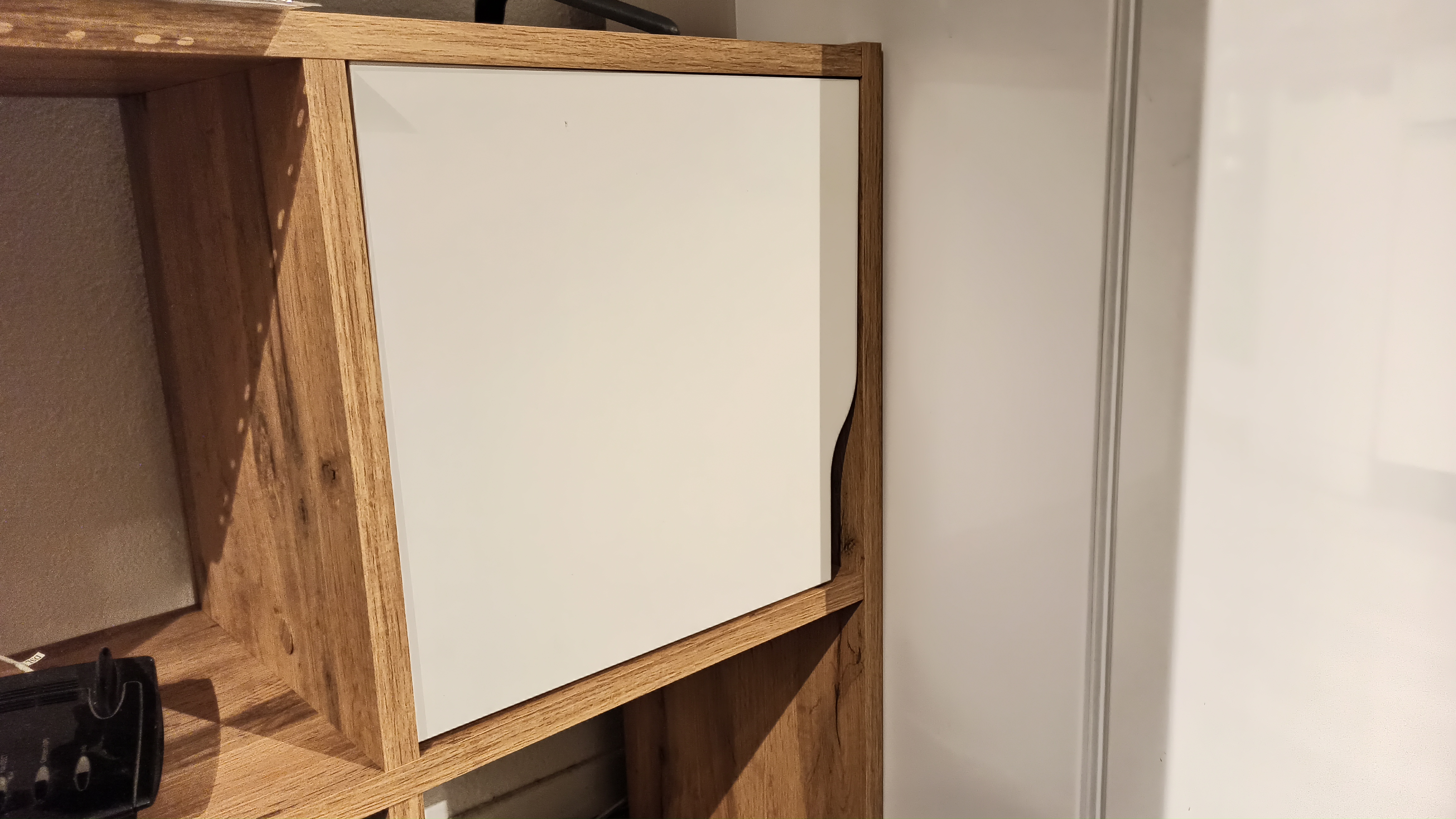
Take everything from one clothing category, not the whole wardrobe. Keep what fits and gets worn; move off-season items higher or farther back. Put daily tops and trousers where a person can reach them without stretching. Shared wardrobes work better when each person has a marked zone.
Avoid a common mistake
The best result is one another person in the home can use without being taught a complicated system. If it fails that test, simplify it. Think about the exact task described above and whether the item is safe, easy to reach and simple to maintain. Do not buy a new storage item, cleaner or tool until you have checked what is already at hand.
4. Make under-bed storage easier to reach
Check whether the bed has safe room below it. Shallow cases can hold spare linen and seasonal clothes, but avoid stuffing soft items against damp walls. Measure the clearance before choosing any container. Leave enough room to pull storage out without shifting the bed.
Check the details
Avoid trying to solve several problems in one weekend. Finish the small job, remove waste and check the outcome before moving to the next area. Think about the exact task described above and whether the item is safe, easy to reach and simple to maintain. Do not buy a new storage item, cleaner or tool until you have checked what is already at hand.
5. Rework the bedside table
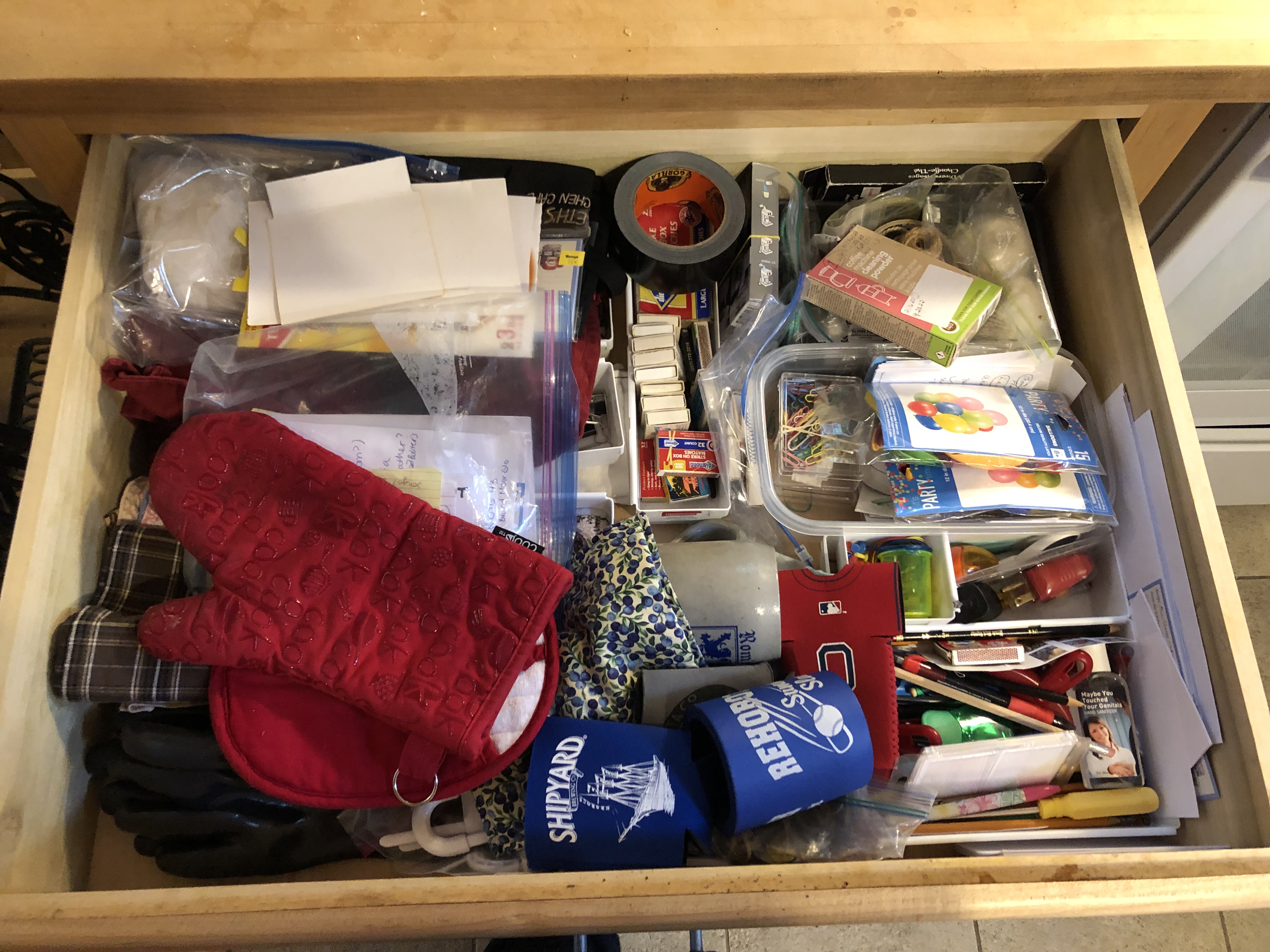
Keep a light, water, glasses and one charging cable within easy reach. The bedside surface need not be a display shelf. Empty packaging and papers belong elsewhere. If two people share a room, each needs a small landing spot, even when the furniture does not match.
Test this change
If a shortcut would hide a leak, damage the surface or block a safe route, it is not a useful shortcut. Correct the cause first. Think about the exact task described above and whether the item is safe, easy to reach and simple to maintain. Do not buy a new storage item, cleaner or tool until you have checked what is already at hand.
6. Use the back of the bedroom door
The back of a door may hold robes or light bags, but check hinge clearance first. Over-door hooks can mark paint or stop the door from closing. Avoid heavy loads and keep the escape route clear. A wall hook fitted with suitable fixings may be safer for a heavy coat.
What makes it work
Check costs beyond the item itself: fixings, replacement parts and future upkeep matter. Sometimes moving what you own solves the issue. Think about the exact task described above and whether the item is safe, easy to reach and simple to maintain. Do not buy a new storage item, cleaner or tool until you have checked what is already at hand.
7. Fold linens to fit the shelf
Fold fitted sheets with the matching pillowcases and place the set together. Put the most-used towels at hand level. Small stacks are easier to pull from than tall towers that topple. If a shelf stays messy, reduce the amount stored there rather than adding another organizer.
Avoid a common mistake
Make a note of what changed so you can compare the result after a week. A change that works only for a photo is unlikely to last. Think about the exact task described above and whether the item is safe, easy to reach and simple to maintain. Do not buy a new storage item, cleaner or tool until you have checked what is already at hand.
8. Reduce visual clutter near the bed
A busy bed wall can make a compact room feel noisy. Move rarely used decor to a single display shelf. Keep the view from the doorway clear where possible. Store daily objects out of sight only when they remain simple to reach; a hidden item that is hard to find is not organized.
Check the details
After the first change, use the room for a normal day and note which step still causes trouble. Fix that one before adding another product. Think about the exact task described above and whether the item is safe, easy to reach and simple to maintain. Do not buy a new storage item, cleaner or tool until you have checked what is already at hand.
9. Give laundry a clear route
Position a hamper where clothes naturally come off, not where it looks best in a photo. Two small baskets can sort lights and darks if the room allows it. Wash or put away a full basket before leaving more clothes on a chair. Laundry should not block a door.
Test this change
A quick sketch, photo or measurement can prevent the wrong purchase. Keep parts that need later access clear and follow the maker’s instructions. Think about the exact task described above and whether the item is safe, easy to reach and simple to maintain. Do not buy a new storage item, cleaner or tool until you have checked what is already at hand.
10. Organize accessories without new organizers
Use a small dish you already own for rings, keys and hair clips. Hang belts in the wardrobe and group chargers with cables. Clear zip bags can help with travel accessories, but sharp objects need safe containers. The aim is to see the items without buying a set of bins.
What makes it work
The best result is one another person in the home can use without being taught a complicated system. If it fails that test, simplify it. Think about the exact task described above and whether the item is safe, easy to reach and simple to maintain. Do not buy a new storage item, cleaner or tool until you have checked what is already at hand.
11. Make shared bedroom storage fair
Agree which drawers and shelves belong to each person. Leave one common place for spare blankets. Do not mix someone else’s things into an unmarked box to make the room look tidy. Set a simple rule for items on a shared chair and door hook.
Avoid a common mistake
Avoid trying to solve several problems in one weekend. Finish the small job, remove waste and check the outcome before moving to the next area. Think about the exact task described above and whether the item is safe, easy to reach and simple to maintain. Do not buy a new storage item, cleaner or tool until you have checked what is already at hand.
12. Set a ten-minute evening reset
Spend two minutes returning clothes, two on the bedside table, and the rest on the floor and hamper. A short nightly reset is more realistic than a long clean every weekend. Keep the tools easy: a laundry basket, a cloth, and a fixed spot for keys.
Check the details
If a shortcut would hide a leak, damage the surface or block a safe route, it is not a useful shortcut. Correct the cause first. Think about the exact task described above and whether the item is safe, easy to reach and simple to maintain. Do not buy a new storage item, cleaner or tool until you have checked what is already at hand.
13. Handle sentimental items with care
Photos, gifts and papers can be hard to sort quickly. Set one small box for items worth reviewing later, and give it a date. Display a few pieces that make you happy rather than every souvenir. Avoid discarding another person’s keepsakes without asking.
Test this change
Check costs beyond the item itself: fixings, replacement parts and future upkeep matter. Sometimes moving what you own solves the issue. Think about the exact task described above and whether the item is safe, easy to reach and simple to maintain. Do not buy a new storage item, cleaner or tool until you have checked what is already at hand.
14. Keep the layout safe at night
Once the room is tidy, walk from the bed to the exit in the dark with a safe low light. Check for trailing chargers, unstable piles and furniture corners. No storage gain is worth a blocked door, covered heater, unstable tall unit or blocked emergency window.
What makes it work
Make a note of what changed so you can compare the result after a week. A change that works only for a photo is unlikely to last. Think about the exact task described above and whether the item is safe, easy to reach and simple to maintain. Do not buy a new storage item, cleaner or tool until you have checked what is already at hand.
Safety and source guidance
Never block a window used as an emergency exit or stack heavy items above a bed. For related public guidance, consult EPA. This source is especially useful when the job involves storage and clear walking paths. Requirements vary by building, product and location, so check local rules and instructions before you start.
Final takeaway
Choose the change that removes the most common daily problem. Keep the process easy to repeat. Record the result and adjust it after a few days of use. Stop when a task involves hidden damage or a safety-critical system, and ask a qualified person for support.
Featured photo source: Wikimedia Commons file details and attribution. Image resized for web use.
Featured image: Wikimedia Commons source and credits.

Common questions about small bedroom organization
What should I remove first?
Start with empty boxes, worn packaging and belongings stored in the walkway. Then sort the clothes and objects that never return to their proper place. This reveals the main storage issue without moving heavy furniture.
How can two people share one small wardrobe?
Divide the available space into clear zones. Put everyday items in the easiest positions. Agree on shared storage for bedding and avoid putting one person’s items into another’s drawer just to make the room look neat.
Do I need under-bed boxes?
Only if the space is dry, easy to reach and safe to use. Before buying anything, test whether existing bags or shallow cases fit and can be removed without lifting the bed.
A quick test before you buy a bedroom organizer
Take a common problem such as shirts left on a chair. For one week, place an empty section of the existing wardrobe at the same height as the chair. If clothes now get put away, access was the problem. If they still collect outside, the wardrobe may be full or the laundry routine may need a better location. This test tells you what kind of storage would help, instead of guessing from a product photo.
A second test is the walk from the bed to the exit. With a small light on, check whether you can pass without stepping over shoes or loose cords. Keep the door and any emergency window clear. If furniture must be shifted each time you open a drawer, the room is too full for that layout. Try moving the drawer unit or giving its least-used contents a different home.