How to Create a Home Maintenance Checklist
A home maintenance checklist helps you notice changes before small faults become major repairs. Focus on visual inspections, dates, appliance manuals and the right point to contact an expert. Every home needs a plan suited to its climate and equipment.
Before you begin
- Check the space and list the main problem.
- Read product labels and measure before making changes.
- Set aside time to clean up and review the result.
1. List the home’s main systems
Walk through the home and name its main systems: water, electricity, heating and cooling, ventilation, drainage, roof and safety alarms. Record where equipment is and the company that services it. This makes later repairs easier because you will know what is installed.
Before spending money
Check what is already there before spending on an organizer or gadget. Keep a written note or a simple photo so you can review the outcome after normal use. The change should solve the issue named in this section without creating another task. Follow equipment instructions and adjust the plan if the first idea does not fit your home.
2. Record emergency shutoffs
Mark the main water shutoff, electrical panel and safe exit routes. Make sure household members can find them without a phone. Do not operate gas equipment or electrical panels without training. Keep access clear so emergency workers can reach controls quickly.
Test the result
Measure the route to the item as well as the place it will be stored. Keep a written note or a simple photo so you can review the outcome after normal use. The change should solve the issue named in this section without creating another task. Follow equipment instructions and adjust the plan if the first idea does not fit your home.
3. Plan a weekly visual walk
Once a week, glance at places likely to show a new problem: ceilings below bathrooms, window corners, the area around appliances and the floor near a sink. A quick visual check catches changes early. Record anything damp, stained or unusual for follow-up.
Look for safety issues
Ask if someone else at home can use this arrangement without confusion. Keep a written note or a simple photo so you can review the outcome after normal use. The change should solve the issue named in this section without creating another task. Follow equipment instructions and adjust the plan if the first idea does not fit your home.
4. Review sinks and toilets each month
Each month, look beneath bathroom and kitchen sinks and behind toilets where accessible. New stains, soft cabinet boards or a running toilet deserve attention. Do not tighten a plumbing fitting by force if you do not know its design. Small leaks can cause costly damage.
A useful check
Use a low-risk trial to find flaws before any fixed installation. Keep a written note or a simple photo so you can review the outcome after normal use. The change should solve the issue named in this section without creating another task. Follow equipment instructions and adjust the plan if the first idea does not fit your home.
5. Look for signs of dampness
Musty smells, paint bubbles and recurrent dark patches may be signs of hidden moisture. Look for a source before treating the surface. EPA guidance stresses fixing leaks and drying wet materials promptly. Larger or recurring problems may need professional assessment.
Before spending money
Keep maintenance and cleaning access clear when moving objects. Keep a written note or a simple photo so you can review the outcome after normal use. The change should solve the issue named in this section without creating another task. Follow equipment instructions and adjust the plan if the first idea does not fit your home.
6. Inspect doors and window seals
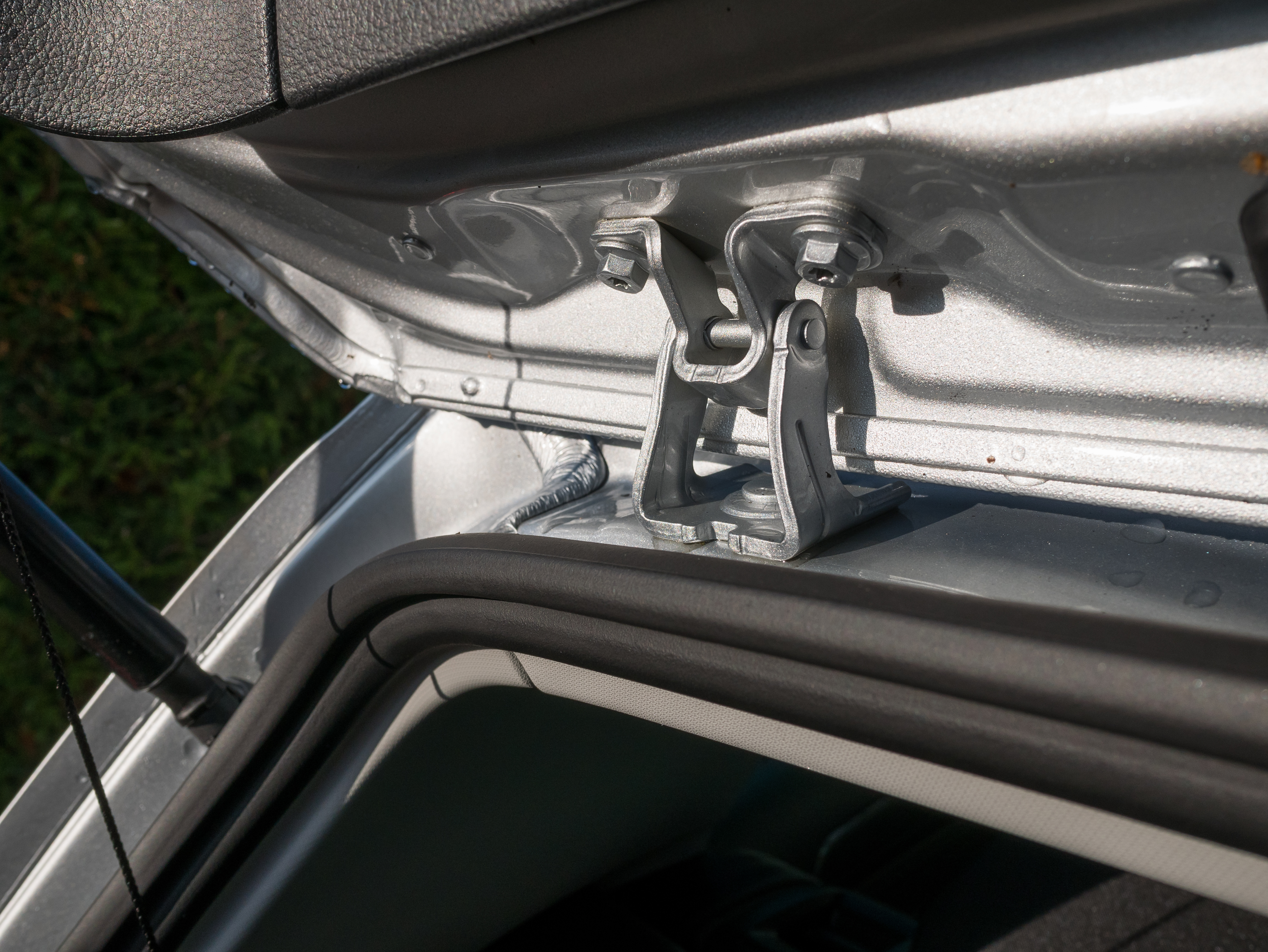
Inspect weather seals for cracks and daylight at door edges. Check that windows lock and open as designed. Weatherstripping can address drafts at moving parts, while caulk suits fixed gaps. Do not seal vents or escape openings. Record the exact seal type for future replacement.
Test the result
Do not cover ventilation, doorways or safety equipment to gain extra space. Keep a written note or a simple photo so you can review the outcome after normal use. The change should solve the issue named in this section without creating another task. Follow equipment instructions and adjust the plan if the first idea does not fit your home.
7. Keep appliance manuals together
Collect manuals, model numbers, filter sizes and warranty dates in one folder. Photograph identification labels only when safe to access. A simple index helps when you need service or parts. Check whether a maker recommends registered maintenance rather than a generic calendar interval.
Look for safety issues
If a job involves hidden damage or specialist work, seek an expert. Keep a written note or a simple photo so you can review the outcome after normal use. The change should solve the issue named in this section without creating another task. Follow equipment instructions and adjust the plan if the first idea does not fit your home.
8. Record filter and service dates
Some HVAC filters need checking more often in dusty homes, while other systems have different requirements. Set reminders based on the manual, not a universal online rule. Keep receipts and record the date. A blocked filter can affect airflow; use the correct replacement type.
A useful check
Check what is already there before spending on an organizer or gadget. Keep a written note or a simple photo so you can review the outcome after normal use. The change should solve the issue named in this section without creating another task. Follow equipment instructions and adjust the plan if the first idea does not fit your home.
9. Test alarms based on maker guidance
List smoke and carbon monoxide alarms by room and model. Follow their instructions for test methods and end-of-life replacement. Know what each sound means. Never silence or unplug a safety alarm in response to a possible emergency without taking the appropriate safety action.
Before spending money
Measure the route to the item as well as the place it will be stored. Keep a written note or a simple photo so you can review the outcome after normal use. The change should solve the issue named in this section without creating another task. Follow equipment instructions and adjust the plan if the first idea does not fit your home.
10. Check outdoor drainage where safe
After heavy rain, inspect accessible outdoor drains and downspouts from a safe location. Clear surface debris when it can be done without a ladder or risky roof work. Check for pooling near foundations. Water entering the building needs a proper repair plan.
Test the result
Ask if someone else at home can use this arrangement without confusion. Keep a written note or a simple photo so you can review the outcome after normal use. The change should solve the issue named in this section without creating another task. Follow equipment instructions and adjust the plan if the first idea does not fit your home.
11. Build a seasonal schedule
Make a short seasonal plan based on the climate: prepare for heavy rain, heat, freezing weather or storms as relevant. Not every checklist task belongs in every location. Review heating or cooling service before peak demand. Put specialist work on the calendar early.
Look for safety issues
Use a low-risk trial to find flaws before any fixed installation. Keep a written note or a simple photo so you can review the outcome after normal use. The change should solve the issue named in this section without creating another task. Follow equipment instructions and adjust the plan if the first idea does not fit your home.
12. Track the cost of each fix
Record the date, issue, materials, service provider and cost for each repair. Over a year, repeated small expenses may reveal a larger problem. Keep invoices with warranties. A repair log also helps a future buyer or tenant understand maintenance history.
A useful check
Keep maintenance and cleaning access clear when moving objects. Keep a written note or a simple photo so you can review the outcome after normal use. The change should solve the issue named in this section without creating another task. Follow equipment instructions and adjust the plan if the first idea does not fit your home.
13. Keep photos and receipts
Take clear photos of damaged parts and labels before repairs, without opening unsafe equipment. Keep the images in a named folder with dates. Photos help compare a stain that grows or a crack that changes. Avoid sharing private address details in public posts.
Before spending money
Do not cover ventilation, doorways or safety equipment to gain extra space. Keep a written note or a simple photo so you can review the outcome after normal use. The change should solve the issue named in this section without creating another task. Follow equipment instructions and adjust the plan if the first idea does not fit your home.
14. Know when to hire a contractor
Call qualified help for structural movement, unsafe wiring, gas smells, major leaks and roof work. Ask for written scope, credentials where required and information about permits. A checklist is a way to recognize a problem early, not permission to try every repair yourself.
Test the result
If a job involves hidden damage or specialist work, seek an expert. Keep a written note or a simple photo so you can review the outcome after normal use. The change should solve the issue named in this section without creating another task. Follow equipment instructions and adjust the plan if the first idea does not fit your home.
Safety and source guidance
Safety-critical gas, electrical, roof, and structural issues need trained licensed contractors. For related public guidance, consult EPA. This source is especially useful when the job involves prevention, written records, and early problem detection. Requirements vary by building, product and location, so check local rules and instructions before you start.
Final takeaway
Choose the change that removes the most common daily problem. Keep the process easy to repeat. Record the result and adjust it after a few days of use. Stop when a task involves hidden damage or a safety-critical system, and ask a qualified person for support.
Featured image: Wikimedia Commons source and credits.
.jpg)
EPA recommends drying water-damaged areas within 24 to 48 hours and fixing the source of leaks to prevent mold growth.
Building a maintenance routine that lasts
Do I need a weekly full inspection?
No. A short walk for new leaks, smells or stains is usually more practical. Put specialist service dates and equipment checks into a calendar based on the manual.
When should I call a contractor?
Get qualified help for gas, wiring, roof, structural, or concealed leak issues. Describe the symptoms, request a written scope and keep the repair record.
A sample four-week home maintenance cycle
Week one: Locate water shutoffs and other emergency controls, collect appliance manuals, and note model numbers. Make sure adults in the home know whom to contact about a leak or electrical concern. Do not force an old valve or open unfamiliar electrical equipment to complete the list.
Week two: Inspect safe-to-reach areas for new moisture. Look under sinks, near washing appliances and around windows. If a stain is new, record its size and date. Persistent moisture requires investigation. The EPA advises addressing water sources and drying wet materials promptly because long-lasting dampness supports mold growth.
Week three: Review manufacturer guidance for filters and alarms. Add the next inspection and replacement dates to the calendar. Check ventilation openings from safe locations and remove items that block airflow. A filter or alarm should not be replaced on an invented schedule when the manufacturer specifies another interval.
Week four: Check the list for open issues. Book a professional for any problem involving gas, electrical equipment, unsafe roof access, structural movement or persistent water ingress. Compare the repair description with past records to see whether the problem keeps returning. A checklist helps you recognize when something is wrong and take action. It does not replace skilled diagnosis.
How to use a repair record when a problem returns
Suppose the same ceiling stain appears twice during heavy rain. The record from the first visit should show the date, location, photographs, weather and any action taken. Add the new observation instead of painting over the mark. This helps a professional identify whether the source is still active. A dated record is especially useful when a problem is intermittent and cannot be reproduced on demand.
Keep repair notes factual. Write what you saw, not a diagnosis you cannot prove. Include the name of the person who inspected it, the written scope and warranty terms. If a safety issue is suspected, stop using the affected equipment and follow emergency guidance. The purpose of the checklist is to improve decisions, not to justify delaying a needed repair.
Leave a Reply