Affordable Storage Ideas for Small Apartments
Small apartments work best when storage follows the daily routine. Put shoes by the door, cooking tools by the counter, and clothes where they can be reached. Measure awkward spaces before buying shelves, and keep escape routes and vents clear.
Before you begin
- Check the space and list the main problem.
- Read product labels and measure before making changes.
- Set aside time to clean up and review the result.
1. Start by measuring unused space
Measure the gap over the toilet, the depth of a wardrobe and the space under the bed. A narrow shelf that fits the wall might still block a door. Write down width, height and depth before shopping. Check the route through the apartment so bulky pieces can actually get inside.
Before spending money
Check what is already there before spending on an organizer or gadget. Keep a written note or a simple photo so you can review the outcome after normal use. The change should solve the issue named in this section without creating another task. Follow equipment instructions and adjust the plan if the first idea does not fit your home.
2. Plan storage around routines
Store items close to where they are used. Put bags by the entry, pans near cooking space and towels near the bathroom. If the cabinet is in another room, people may leave items out. A storage system should match daily actions rather than a catalog photo.
Test the result
Measure the route to the item as well as the place it will be stored. Keep a written note or a simple photo so you can review the outcome after normal use. The change should solve the issue named in this section without creating another task. Follow equipment instructions and adjust the plan if the first idea does not fit your home.
3. Use vertical space without crowding
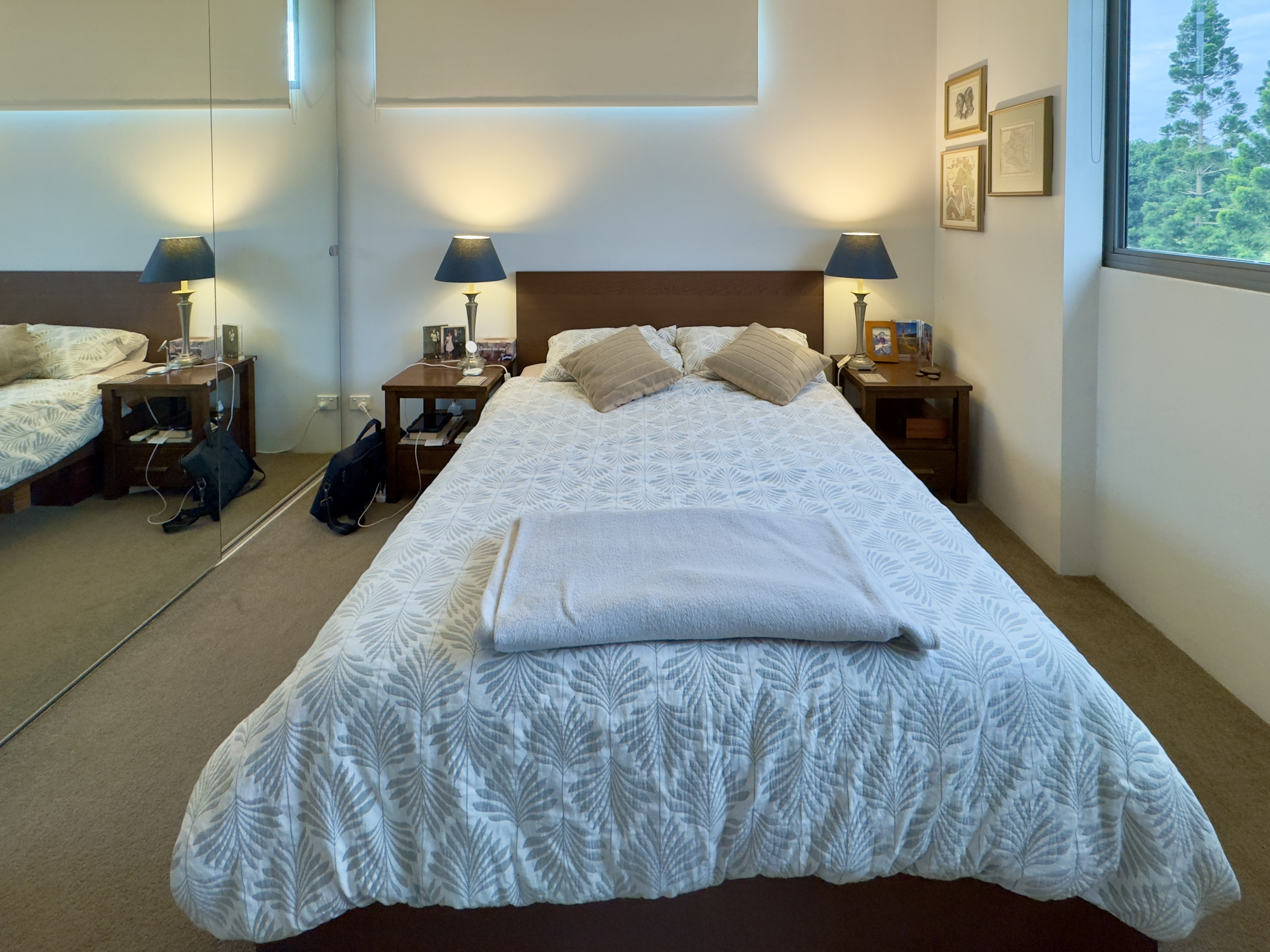
A tall shelf can hold more than a low box without taking extra floor area. But unstable furniture is a serious hazard. Anchor tall units as their maker directs, place heavy items low and keep access to switches, windows and exits clear. Vertical storage needs safe installation.
Look for safety issues
Ask if someone else at home can use this arrangement without confusion. Keep a written note or a simple photo so you can review the outcome after normal use. The change should solve the issue named in this section without creating another task. Follow equipment instructions and adjust the plan if the first idea does not fit your home.
4. Make an entryway drop zone
A tray for keys, a low shoe mat and a hook for each daily bag can stop clutter at the door. Choose washable items that tolerate rain and mud. Leave enough space for the door to open fully. Keep seasonal shoes elsewhere so the entry stays usable.
A useful check
Use a low-risk trial to find flaws before any fixed installation. Keep a written note or a simple photo so you can review the outcome after normal use. The change should solve the issue named in this section without creating another task. Follow equipment instructions and adjust the plan if the first idea does not fit your home.
5. Organize kitchen drawers by task
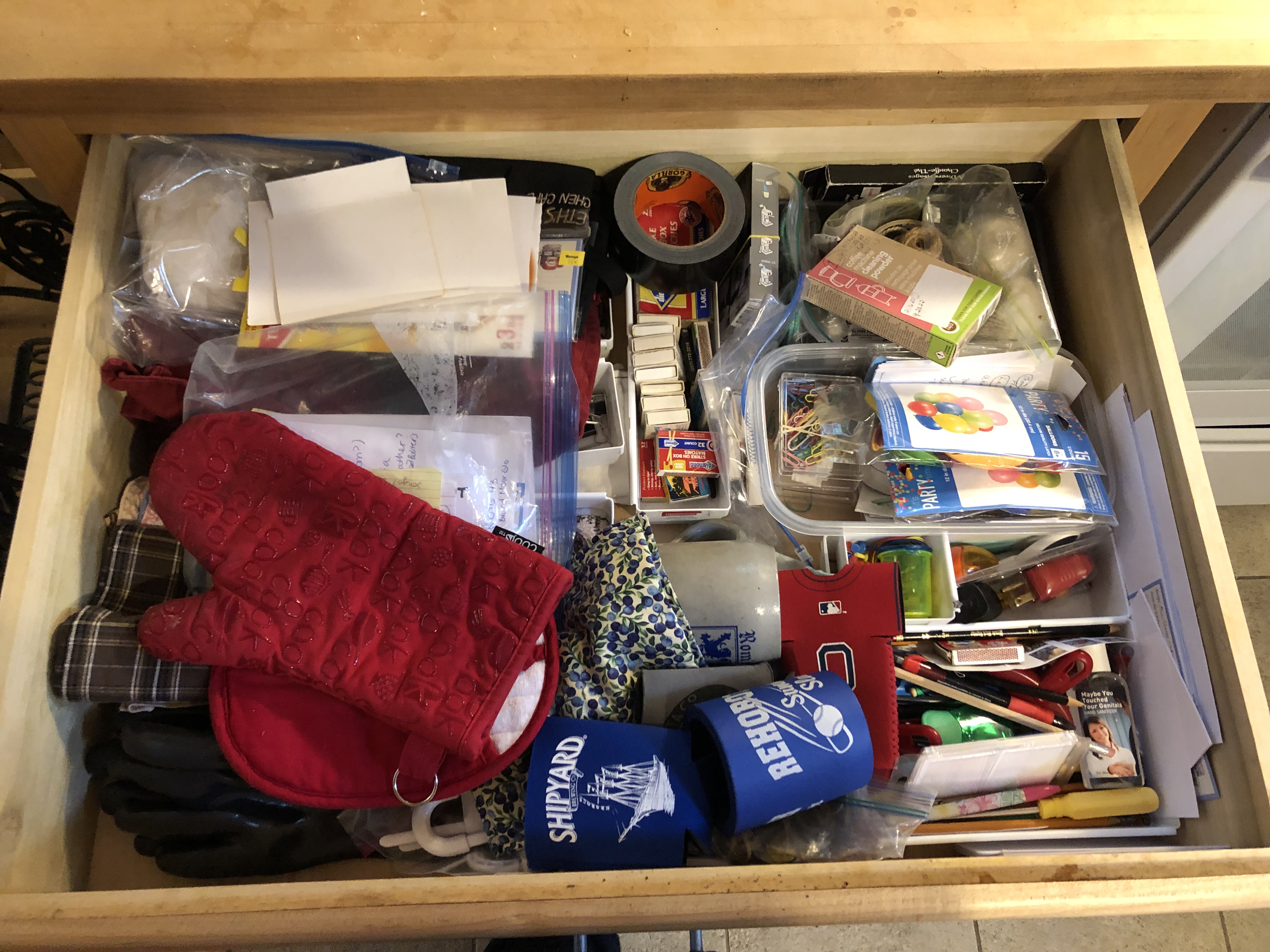
Sort drawer contents by task: utensils near food prep, wraps near the area where lunches are packed, and everyday tools within reach. Shallow boxes you own can stop small objects from sliding. Avoid overfilling drawers or stacking sharp tools where hands will reach blindly.
Before spending money
Keep maintenance and cleaning access clear when moving objects. Keep a written note or a simple photo so you can review the outcome after normal use. The change should solve the issue named in this section without creating another task. Follow equipment instructions and adjust the plan if the first idea does not fit your home.
6. Use shallow storage under the sink
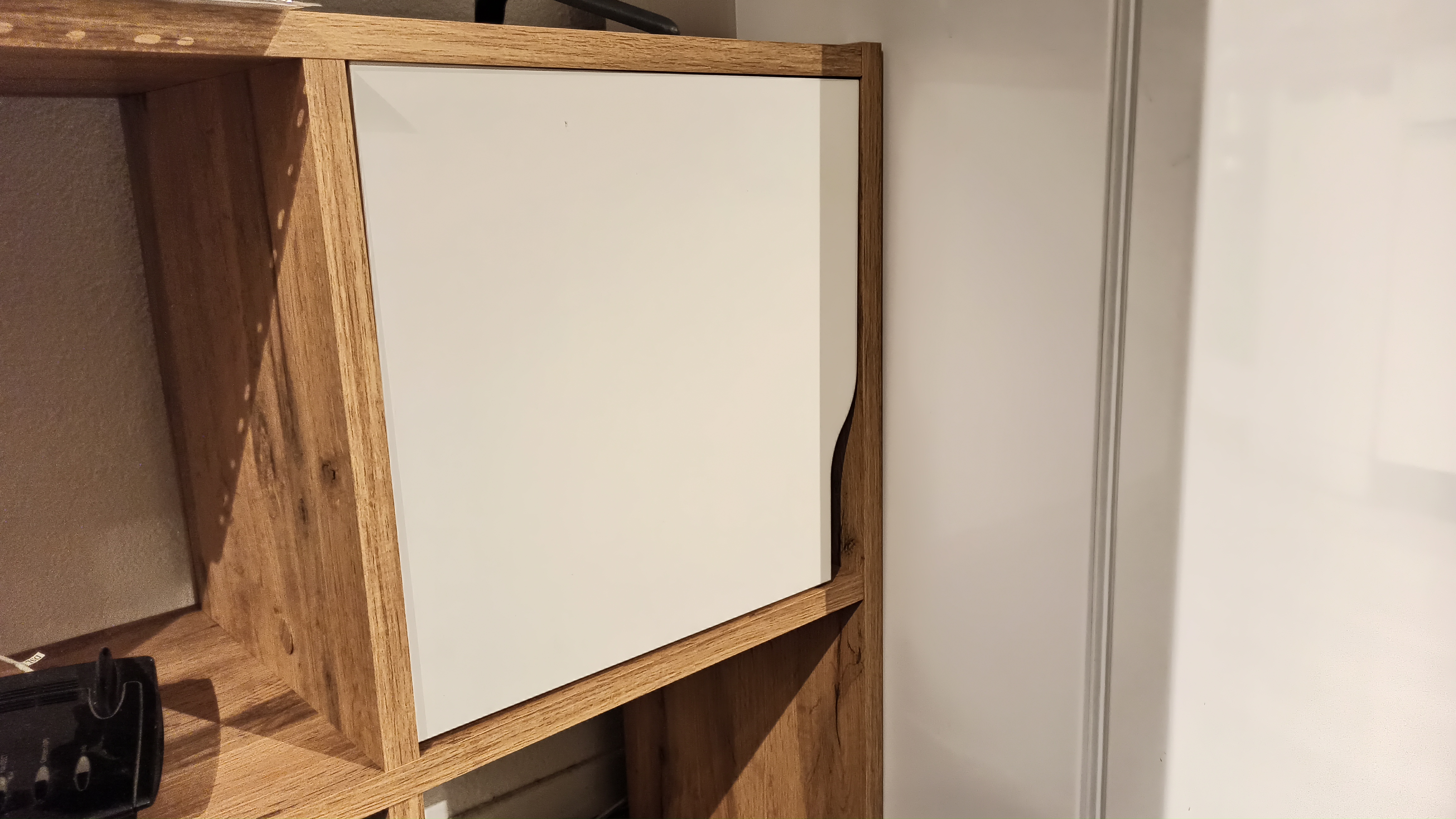
The cabinet under a sink looks roomy until pipes and cleaning bottles fill it. Check for drips first and avoid covering plumbing joints with boxes. Use moisture-resistant containers and separate cleaners from food-related supplies. Never store chemicals where children or pets can access them.
Test the result
Do not cover ventilation, doorways or safety equipment to gain extra space. Keep a written note or a simple photo so you can review the outcome after normal use. The change should solve the issue named in this section without creating another task. Follow equipment instructions and adjust the plan if the first idea does not fit your home.
7. Make bathroom shelves moisture aware
A bathroom shelf needs to handle moisture and be easy to wipe. Keep daily toiletries in a small group and move spare bottles to a dry area if possible. Do not crowd ventilation openings. Inspect brackets or adhesive mounts before putting heavy glass jars on them.
Look for safety issues
If a job involves hidden damage or specialist work, seek an expert. Keep a written note or a simple photo so you can review the outcome after normal use. The change should solve the issue named in this section without creating another task. Follow equipment instructions and adjust the plan if the first idea does not fit your home.
8. Sort bedroom storage by season
Put frequently worn clothes at arm level and out-of-season items in marked bags or high shelves that can be reached safely. Do not store fragile heavy objects overhead. A small wardrobe works better when duplicates and damaged clothes leave the main rail.
A useful check
Check what is already there before spending on an organizer or gadget. Keep a written note or a simple photo so you can review the outcome after normal use. The change should solve the issue named in this section without creating another task. Follow equipment instructions and adjust the plan if the first idea does not fit your home.
9. Create a paper and mail station
Mail, invoices, warranty papers and receipts need separate paths. Set one place for papers to act on and another for records to file. Recycle junk mail promptly. Keep private documents secure. A thin folder can be more useful than a decorative paper basket.
Before spending money
Measure the route to the item as well as the place it will be stored. Keep a written note or a simple photo so you can review the outcome after normal use. The change should solve the issue named in this section without creating another task. Follow equipment instructions and adjust the plan if the first idea does not fit your home.
10. Work with awkward corners
An angled wall or deep corner is not wasted if it holds light, seldom-used items. Measure awkward spots carefully before buying a custom cabinet. A floor basket may work better than shelves in a corner with poor reach. Never block radiator clearance or access panels.
Test the result
Ask if someone else at home can use this arrangement without confusion. Keep a written note or a simple photo so you can review the outcome after normal use. The change should solve the issue named in this section without creating another task. Follow equipment instructions and adjust the plan if the first idea does not fit your home.
11. Reduce duplicates before buying bins
Before buying bins, remove empty packaging, broken goods and true duplicates. When fewer items remain, choose storage sizes based on the contents. Clear boxes can help identify objects, but opaque ones are fine with a label. Buying organizers before sorting often adds clutter.
Look for safety issues
Use a low-risk trial to find flaws before any fixed installation. Keep a written note or a simple photo so you can review the outcome after normal use. The change should solve the issue named in this section without creating another task. Follow equipment instructions and adjust the plan if the first idea does not fit your home.
12. Choose furniture that fits doorways
A cabinet that fits the room can still fail to pass a narrow staircase or apartment door. Measure those routes first. In a rental, favor flexible pieces that can move to the next home. Choose rounded corners and stable construction in tight walking spaces.
A useful check
Keep maintenance and cleaning access clear when moving objects. Keep a written note or a simple photo so you can review the outcome after normal use. The change should solve the issue named in this section without creating another task. Follow equipment instructions and adjust the plan if the first idea does not fit your home.
13. Keep rented walls in good condition
Check the lease and wall material before drilling holes. Tension rods and free-standing racks may suit some rooms, but they still have load limits. Adhesive mounts can pull off paint. If you need heavy wall shelving, seek permission and use appropriate professional fitting.
Before spending money
Do not cover ventilation, doorways or safety equipment to gain extra space. Keep a written note or a simple photo so you can review the outcome after normal use. The change should solve the issue named in this section without creating another task. Follow equipment instructions and adjust the plan if the first idea does not fit your home.
14. Review storage once a month
At the end of each month, open the busiest cupboard and note what has collected in front. That spot shows where the system is failing. Move a frequently used item closer or remove something that no longer belongs. Storage works best when it can change with routines.
Test the result
If a job involves hidden damage or specialist work, seek an expert. Keep a written note or a simple photo so you can review the outcome after normal use. The change should solve the issue named in this section without creating another task. Follow equipment instructions and adjust the plan if the first idea does not fit your home.
Safety and source guidance
Secure tall furniture against tipping and avoid blocking heat sources or escape routes. For related public guidance, consult EPA. This source is especially useful when the job involves renter-friendly storage without costly purchases. Requirements vary by building, product and location, so check local rules and instructions before you start.
Final takeaway
Choose the change that removes the most common daily problem. Keep the process easy to repeat. Record the result and adjust it after a few days of use. Stop when a task involves hidden damage or a safety-critical system, and ask a qualified person for support.
Featured image: Wikimedia Commons source and credits.
Practical apartment storage decisions
What should go in the easiest storage?
Give daily objects the most accessible shelves and drawers. Store seasonal items farther away, but keep emergency supplies accessible. A storage layout should reduce the steps required to put something away.
How do I avoid buying the wrong shelf?
Measure the width, depth and height of the spot as well as the route through stairs and doors. Check load ratings and whether the unit needs wall anchoring.
Example: storage for a one-bedroom rental
Picture a rental apartment with one bedroom, a narrow hall and a kitchen that opens into the living room. Shoes collect at the door because there is no place to set them. Cooking tools fill a single drawer, while cleaning items take up the space below the sink. Before buying furniture, separate what is used every day from what is kept for rare occasions. A simple shoe mat and a few safe hooks can make the entry work better, but the main door must still open fully.
Next, take measurements. A low cabinet might fit the wall but stick into the walking path. Tape its proposed depth on the floor and carry groceries past it. If the route becomes awkward, reject that size. In the kitchen, use small existing boxes to keep utensils sorted by task. Keep sharp items and cleaners in secure places suited to the household. Check under the sink for leaks before stacking storage near the pipes.
The bedroom may have space for seasonal items, but do not place heavy objects on high shelves just to free floor area. Stable furniture, correct wall anchors where allowed and easy access matter more than capacity. Review the system after a month. If one chair still collects clothes, change the laundry or wardrobe routine instead of adding a second basket. A storage plan succeeds when it makes putting things away easier.