Simple Ways to Reduce Energy Waste at Home
Energy savings begin with the bills you already pay. Compare use over time, check light and heating habits, look for drafts and plan upgrades only after identifying waste. Average savings figures are useful context, but results vary by home.
Before you begin
- Check the space and list the main problem.
- Read product labels and measure before making changes.
- Set aside time to clean up and review the result.
1. Read the utility bill before changing habits
Look at two or three recent bills before buying energy-saving devices. Compare actual usage, not just the amount due, because prices and fees may change. Record seasonal patterns. A baseline helps you tell whether later habits work or the weather simply changed.
Before spending money
Check what is already there before spending on an organizer or gadget. Keep a written note or a simple photo so you can review the outcome after normal use. The change should solve the issue named in this section without creating another task. Follow equipment instructions and adjust the plan if the first idea does not fit your home.
2. Find lights left on in empty rooms
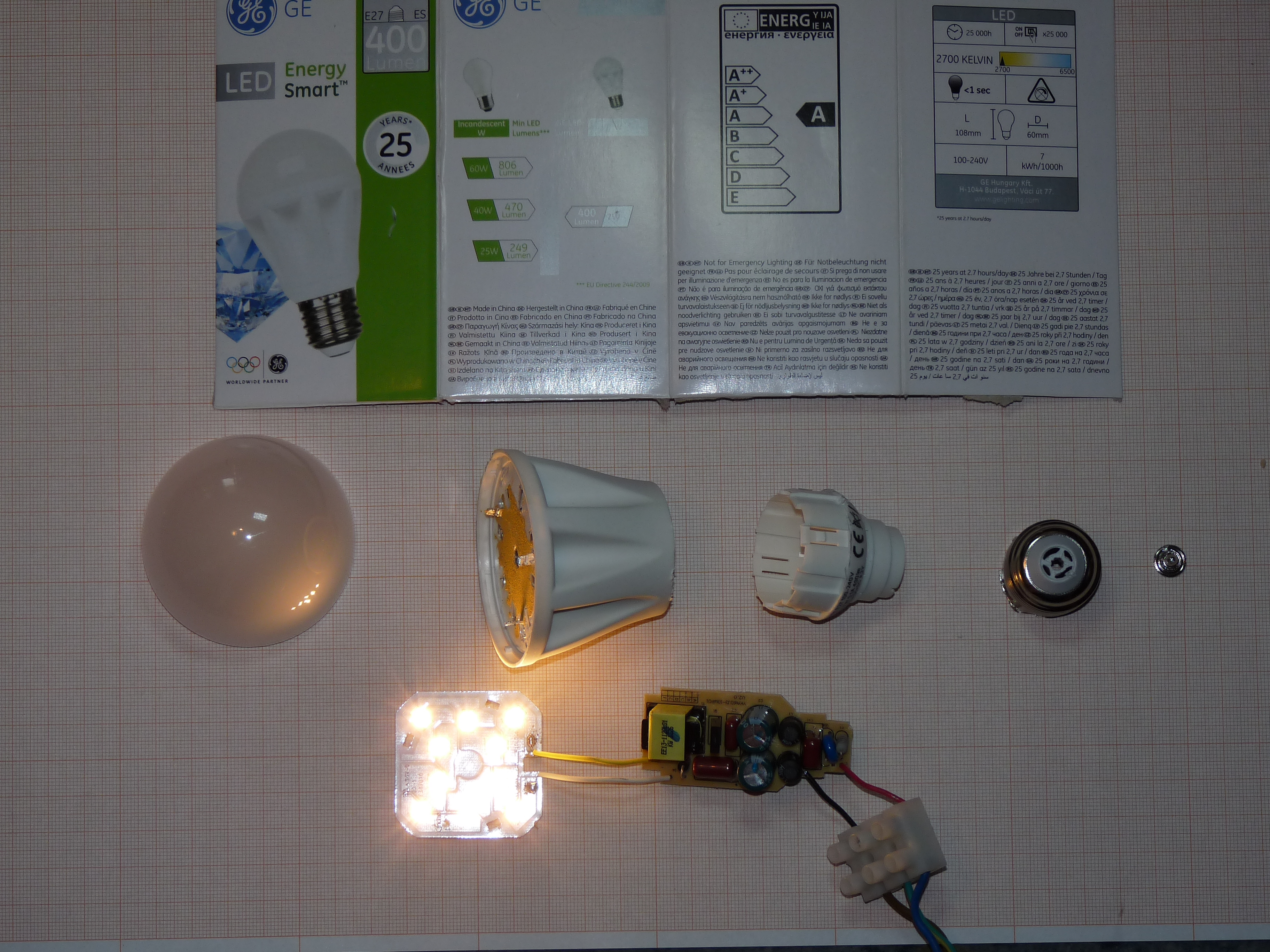
Walk through empty rooms and see which lamps remain on. Put convenient switches near common routes where safe and practical. LED bulbs can cut lighting energy use when replacing older bulbs, but choose brightness and color suited to the job. Do not sacrifice safety lighting.
Test the result
Measure the route to the item as well as the place it will be stored. Keep a written note or a simple photo so you can review the outcome after normal use. The change should solve the issue named in this section without creating another task. Follow equipment instructions and adjust the plan if the first idea does not fit your home.
3. Use daylight before switching on lamps
Move a desk or reading chair closer to usable daylight if glare and heat are controlled. Open coverings when privacy allows. Close them when strong summer sun overheats the room, depending on local climate. Daylight saves little if it makes cooling work harder.
Look for safety issues
Ask if someone else at home can use this arrangement without confusion. Keep a written note or a simple photo so you can review the outcome after normal use. The change should solve the issue named in this section without creating another task. Follow equipment instructions and adjust the plan if the first idea does not fit your home.
4. Check air leaks around windows
Feel for drafts near doors and windows, then inspect weatherstripping for wear. Use sealant only on fixed gaps and suitable seals on moving parts. The Department of Energy notes that reducing air leaks can improve comfort. Never block designed fresh-air or combustion vents.
A useful check
Use a low-risk trial to find flaws before any fixed installation. Keep a written note or a simple photo so you can review the outcome after normal use. The change should solve the issue named in this section without creating another task. Follow equipment instructions and adjust the plan if the first idea does not fit your home.
5. Review thermostat schedules
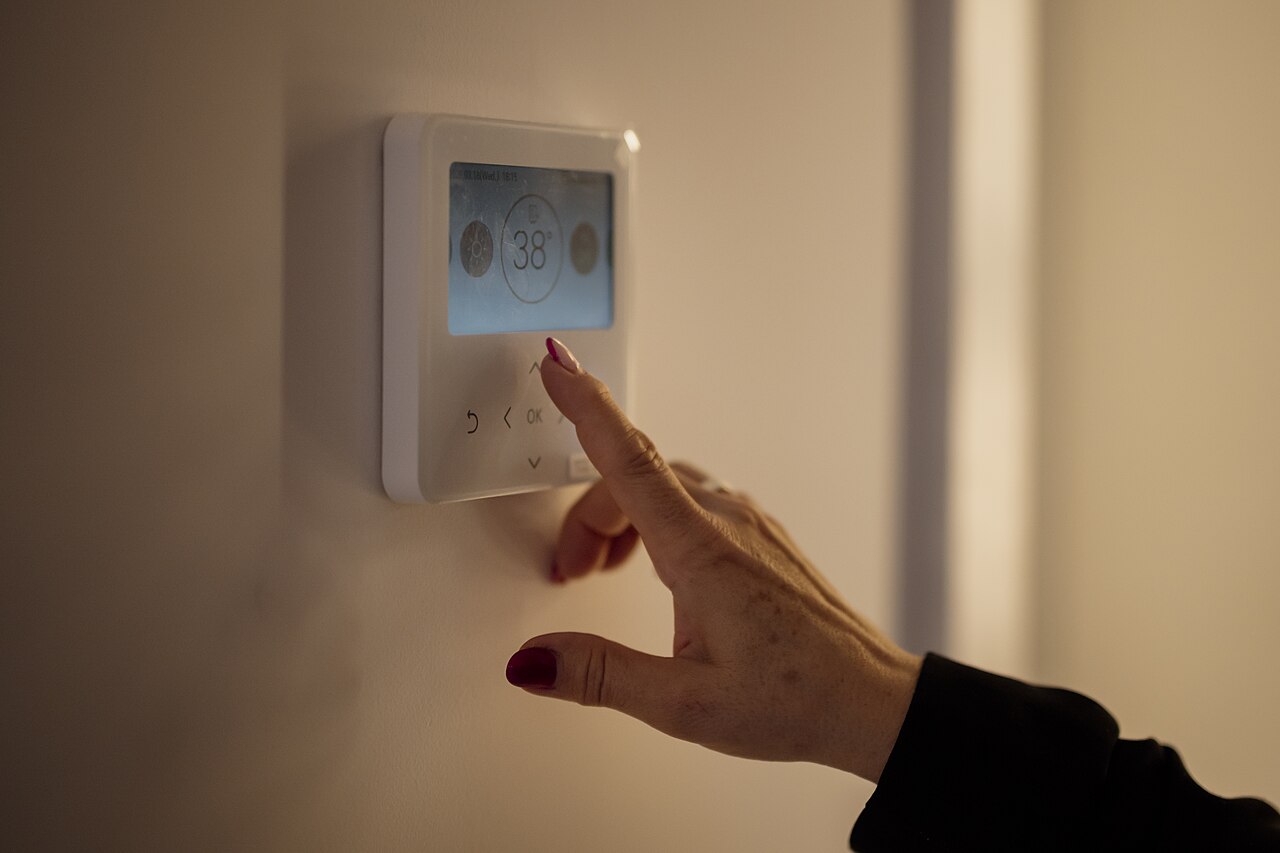
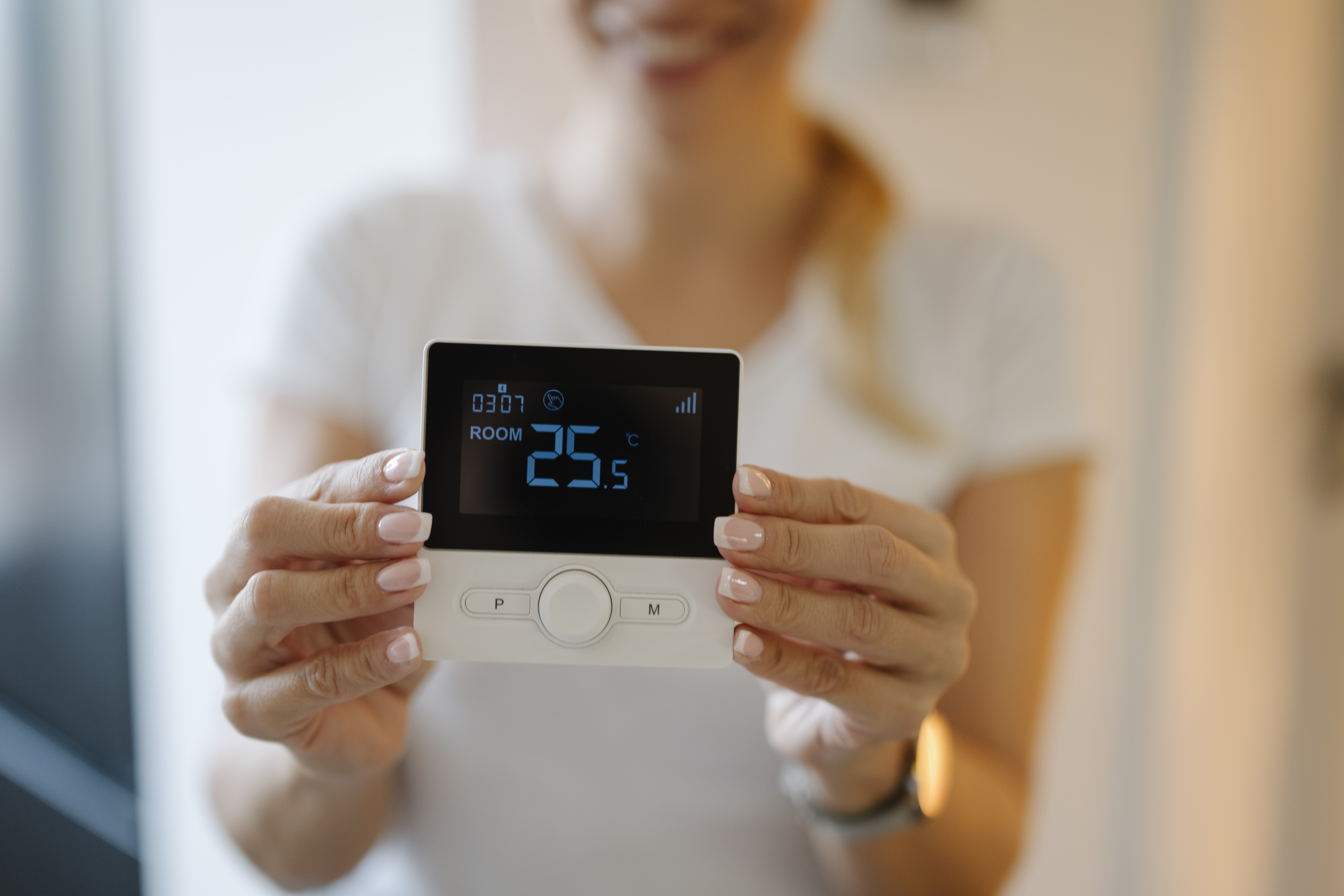
Review the thermostat schedule for times the house is empty or everyone is asleep. Set temperatures that remain safe for residents and pets. An ENERGY STAR certified smart thermostat saves around 8% on heating and cooling bills on average, but actual results vary.
Before spending money
Keep maintenance and cleaning access clear when moving objects. Keep a written note or a simple photo so you can review the outcome after normal use. The change should solve the issue named in this section without creating another task. Follow equipment instructions and adjust the plan if the first idea does not fit your home.
6. Keep heating and cooling vents clear
A blocked heating or cooling vent can make a system work poorly. Check that furniture, curtains and boxes do not cover grilles. Follow the maintenance manual for filters. If temperatures vary a lot between rooms, have a qualified technician assess the system rather than closing random vents.
Test the result
Do not cover ventilation, doorways or safety equipment to gain extra space. Keep a written note or a simple photo so you can review the outcome after normal use. The change should solve the issue named in this section without creating another task. Follow equipment instructions and adjust the plan if the first idea does not fit your home.
7. Look at hot water use
Shorter showers and repairing dripping hot taps can reduce hot-water demand. The best approach depends on the heater and water pressure. Insulating accessible hot-water pipes may help in some homes, but follow local codes. Never alter gas or electrical water heaters without a trained professional.
Look for safety issues
If a job involves hidden damage or specialist work, seek an expert. Keep a written note or a simple photo so you can review the outcome after normal use. The change should solve the issue named in this section without creating another task. Follow equipment instructions and adjust the plan if the first idea does not fit your home.
8. Run full but not overloaded laundry loads
Wash full, properly sized laundry loads rather than many tiny loads when the machine instructions allow it. Cold-water settings may suit many everyday items, but check garment care labels. Clean the lint filter as directed. Dry clothes safely and avoid blocking room ventilation.
A useful check
Check what is already there before spending on an organizer or gadget. Keep a written note or a simple photo so you can review the outcome after normal use. The change should solve the issue named in this section without creating another task. Follow equipment instructions and adjust the plan if the first idea does not fit your home.
9. Check refrigerator door seals
Check the refrigerator gasket for tears, grime and poor contact. Keep the door closed during routine food prep instead of browsing with it open. Follow the maker’s guidance on temperature and ventilation space. A failing seal may need replacement rather than extra cleaning.
Before spending money
Measure the route to the item as well as the place it will be stored. Keep a written note or a simple photo so you can review the outcome after normal use. The change should solve the issue named in this section without creating another task. Follow equipment instructions and adjust the plan if the first idea does not fit your home.
10. Switch off idle electronics where sensible
Not every standby device uses enough power to justify a new gadget. Prioritize high-use equipment and switch off idle electronics when safe. Keep network or safety equipment powered where needed. Compare actual energy readings when possible instead of trusting a label that promises large savings.
Test the result
Ask if someone else at home can use this arrangement without confusion. Keep a written note or a simple photo so you can review the outcome after normal use. The change should solve the issue named in this section without creating another task. Follow equipment instructions and adjust the plan if the first idea does not fit your home.
11. Compare efficient replacement options
When a major appliance reaches the end of its life, compare energy labels along with size, repair support and purchase price. Replacing a working product only to save small amounts may not make economic sense. Check actual running costs for your usage and local tariffs.
Look for safety issues
Use a low-risk trial to find flaws before any fixed installation. Keep a written note or a simple photo so you can review the outcome after normal use. The change should solve the issue named in this section without creating another task. Follow equipment instructions and adjust the plan if the first idea does not fit your home.
12. Use smart controls only when useful
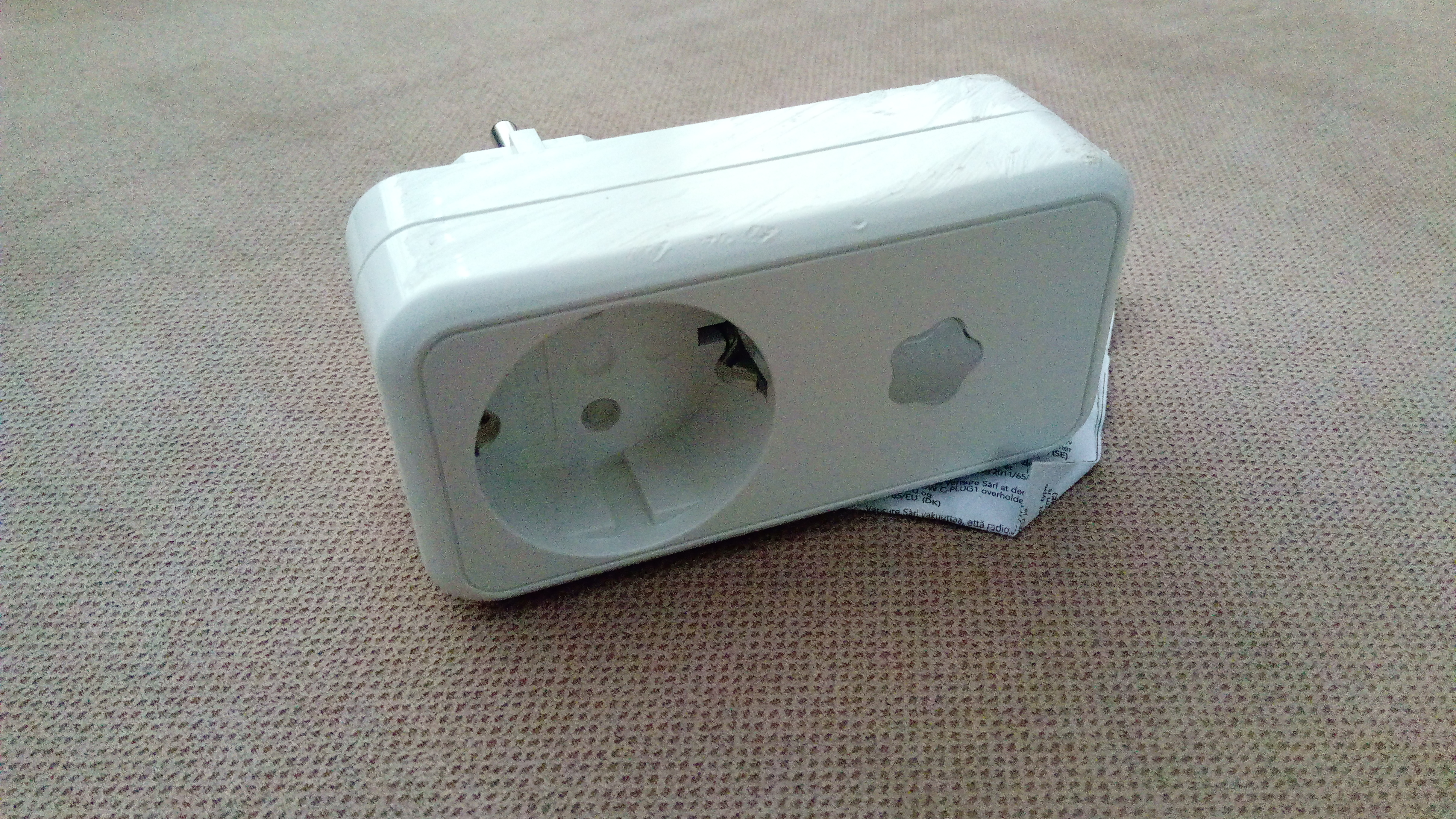
Timers and smart plugs can reduce forgotten lights, but automation adds complexity. Choose systems that keep manual control and use little standby power. Do not connect space heaters or high-load appliances to unsuitable smart plugs. A simple wall switch often does the same job.
A useful check
Keep maintenance and cleaning access clear when moving objects. Keep a written note or a simple photo so you can review the outcome after normal use. The change should solve the issue named in this section without creating another task. Follow equipment instructions and adjust the plan if the first idea does not fit your home.

13. Track changes without guessing savings
Change one habit at a time and compare usage over several similar weeks. Weather, visitors and time at home all affect results. Keep notes instead of promising an exact saving. A household that tracks outcomes can stop spending money on changes that do not help.
Before spending money
Do not cover ventilation, doorways or safety equipment to gain extra space. Keep a written note or a simple photo so you can review the outcome after normal use. The change should solve the issue named in this section without creating another task. Follow equipment instructions and adjust the plan if the first idea does not fit your home.
14. Make a plan for larger improvements
After trying no-cost steps, consider professional insulation and air-sealing advice. Ask for a survey that identifies the main heat loss, then compare cost and likely benefit. Fix dampness before sealing building parts. Major upgrades need careful planning, not a rushed shopping list.
Test the result
If a job involves hidden damage or specialist work, seek an expert. Keep a written note or a simple photo so you can review the outcome after normal use. The change should solve the issue named in this section without creating another task. Follow equipment instructions and adjust the plan if the first idea does not fit your home.
Safety and source guidance
Do not seal combustion-air vents or alter wiring and heating equipment without expert advice. For related public guidance, consult ENERGY STAR. This source is especially useful when the job involves practical energy habits and basic efficiency. Requirements vary by building, product and location, so check local rules and instructions before you start.
Final takeaway
Choose the change that removes the most common daily problem. Keep the process easy to repeat. Record the result and adjust it after a few days of use. Stop when a task involves hidden damage or a safety-critical system, and ask a qualified person for support.
Featured image: Wikimedia Commons source and credits.
Verified energy savings guidance
The Department of Energy notes that sealing drafts can reduce energy use, but results depend on the building. ENERGY STAR estimates about 8% savings on heating and cooling bills with certified smart thermostats. No individual saving is guaranteed.
Understanding energy claims
Does one fix always reduce the bill?
No. Weather and occupancy can change from month to month. Compare comparable periods and look for usage changes, not just price changes.
Why check drafts?
Unwanted air leakage can make indoor rooms less comfortable and raise heating or cooling demand. The Department of Energy recommends investigating air sealing and insulation as part of an efficient home plan.
A one-month experiment to spot energy waste
In the first week, collect utility bills and record how many units of electricity or gas the household used. Do not rely only on the amount paid because tariffs and fixed charges can change. Note the weather and how often people were home. Take a quick walk through the living spaces to find lights left on in empty rooms, blocked heating vents or windows with worn seals.
In week two, choose only a couple of no-cost changes. Switch off unnecessary lights, make full but suitable laundry loads, and review a heating or cooling schedule that runs when nobody is home. Keep safe lighting and appropriate temperatures for everyone in the house. In week three, check whether the changes are easy to maintain. If a thermostat schedule causes discomfort, adjust it rather than forcing the household to tolerate poor conditions.
In week four, compare usage with a similar period when possible and note what changed. One month’s result is not enough to prove a precise saving, especially if the weather changed. A professional energy assessment can help when bills remain high and drafts or insulation problems are widespread. The Department of Energy describes air sealing and insulation as important measures, but building conditions vary. Use the findings to plan upgrades rather than buying products based on promotional claims.