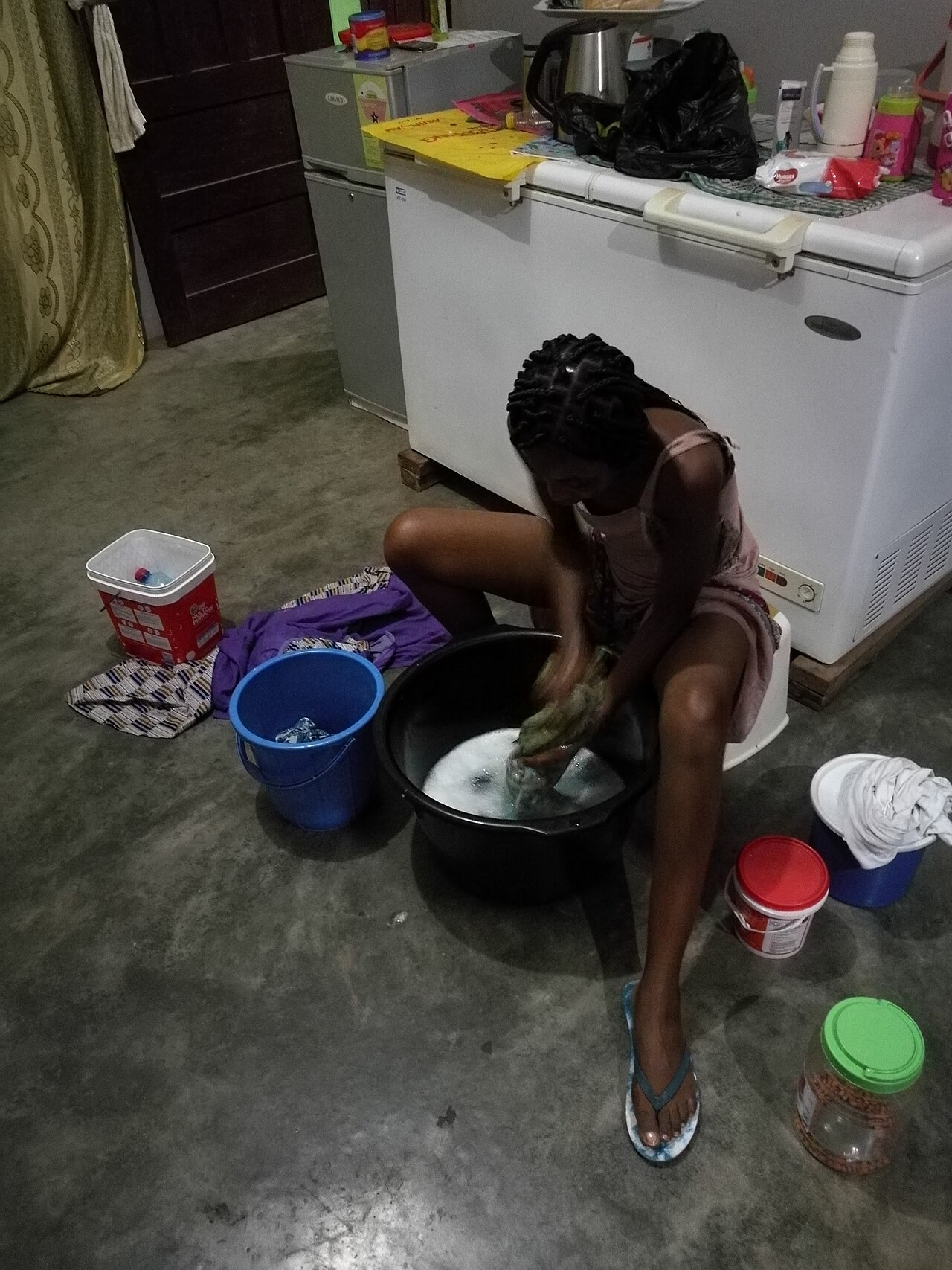
Common Home Cleaning Mistakes and How to Avoid Them
A cleaner home does not need more chemicals or harder scrubbing. Many common mistakes come from using the wrong product, leaving surfaces wet or trying to disinfect everything. This guide explains safer habits for kitchens, bathrooms, floors and laundry. Check labels and surface care instructions before trying any method.
Before you begin
- Check the space and list the main problem.
- Read product labels and measure before making changes.
- Set aside time to clean up and review the result.
1. Using too much product

More cleaner is not always better. Excess detergent can leave residue on floors and counters, which then attracts grime. Measure concentrated products according to the label. For most routine dust and food marks, a damp cloth and suitable mild detergent may do the job.
Test this change
After the first change, use the room for a normal day and note which step still causes trouble. Fix that one before adding another product. Think about the exact task described above and whether the item is safe, easy to reach and simple to maintain. Do not buy a new storage item, cleaner or tool until you have checked what is already at hand.
2. Skipping the product label
A cleaner labeled for bathroom tile may not suit natural stone, wood or fabric. Read the surface restrictions and safety directions before use. Check whether the product needs dilution and whether gloves or airflow are advised. Test delicate finishes where marks will not show.
What makes it work
A quick sketch, photo or measurement can prevent the wrong purchase. Keep parts that need later access clear and follow the maker’s instructions. Think about the exact task described above and whether the item is safe, easy to reach and simple to maintain. Do not buy a new storage item, cleaner or tool until you have checked what is already at hand.
3. Mixing cleaning chemicals
Never mix bleach with ammonia, acids, vinegar or other household cleaners. Harmful fumes can form. The CDC tells households to use chemicals as directed and keep the area ventilated. If a product causes breathing discomfort, leave the area and seek appropriate help.
Avoid a common mistake
The best result is one another person in the home can use without being taught a complicated system. If it fails that test, simplify it. Think about the exact task described above and whether the item is safe, easy to reach and simple to maintain. Do not buy a new storage item, cleaner or tool until you have checked what is already at hand.
4. Treating every surface the same way
Glass, sealed laminate, unfinished wood and natural stone respond differently to water and chemicals. A rough sponge that works on a pan can scratch a glossy surface. Identify the material, use the right cloth, and test first. A spot that looks like dirt may be damaged finish.
Check the details
Avoid trying to solve several problems in one weekend. Finish the small job, remove waste and check the outcome before moving to the next area. Think about the exact task described above and whether the item is safe, easy to reach and simple to maintain. Do not buy a new storage item, cleaner or tool until you have checked what is already at hand.
5. Spraying before removing dust
Loose dust should come off before wet cleaning. Otherwise it turns into a paste that gets pushed into corners and grout. Brush or vacuum suitable surfaces first, then wipe from higher areas to lower ones. Change the water when it becomes visibly dirty.
Test this change
If a shortcut would hide a leak, damage the surface or block a safe route, it is not a useful shortcut. Correct the cause first. Think about the exact task described above and whether the item is safe, easy to reach and simple to maintain. Do not buy a new storage item, cleaner or tool until you have checked what is already at hand.
6. Using one cloth for every room
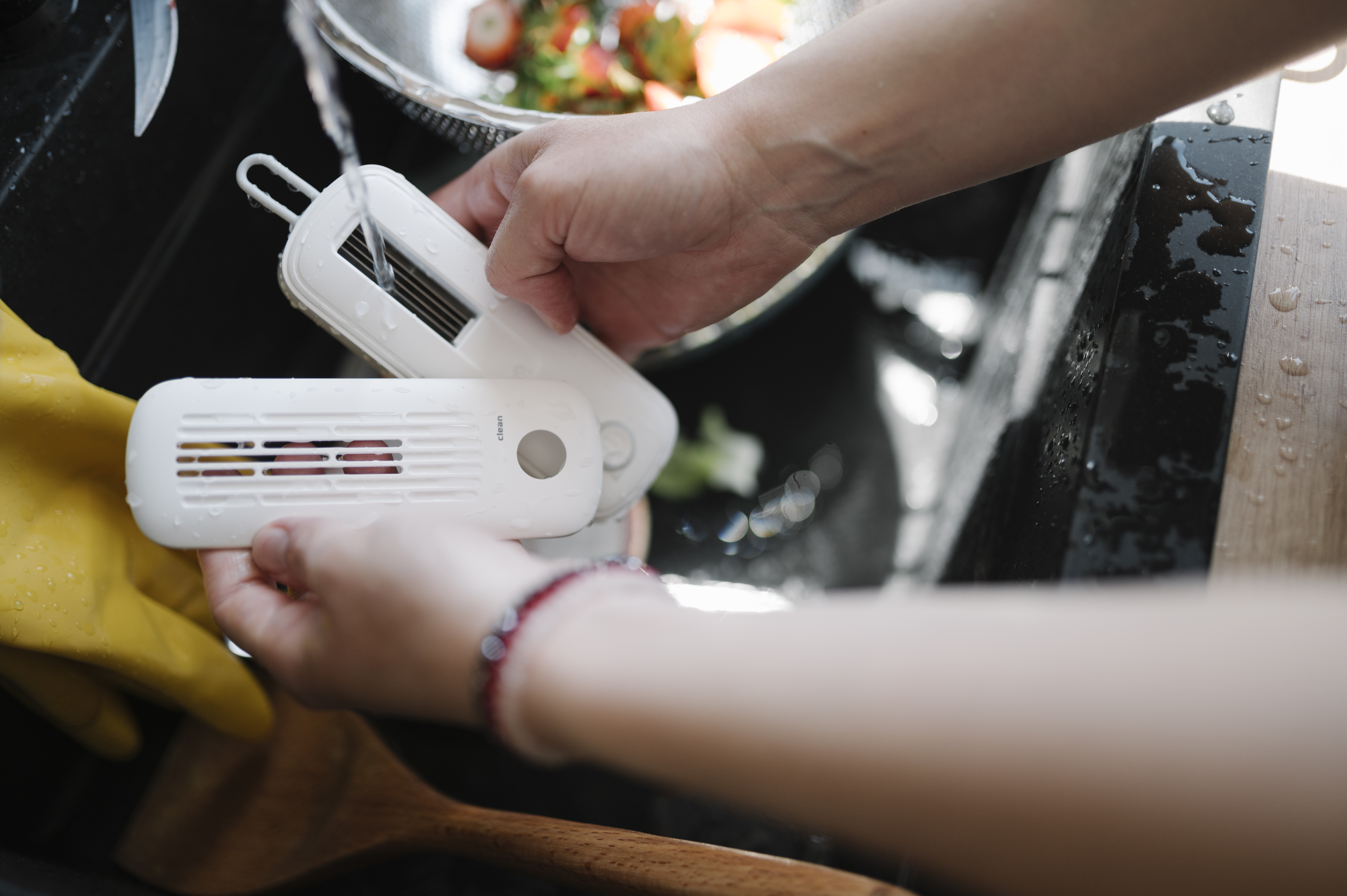
Keep bathroom cleaning cloths separate from kitchen cloths. Color-coding helps a busy household avoid cross-use. Wash reusable cloths as the material allows and let them dry fully. A damp cloth left in a closed bucket can develop an unpleasant smell.
What makes it work
Check costs beyond the item itself: fixings, replacement parts and future upkeep matter. Sometimes moving what you own solves the issue. Think about the exact task described above and whether the item is safe, easy to reach and simple to maintain. Do not buy a new storage item, cleaner or tool until you have checked what is already at hand.
7. Forgetting often touched surfaces
Door handles, faucet controls, remote controls and light switches collect frequent touches. Include these in a simple routine, but follow the maker’s cleaning advice for electronics. Spray cleaner onto a cloth rather than directly into switches or ports.
Avoid a common mistake
Make a note of what changed so you can compare the result after a week. A change that works only for a photo is unlikely to last. Think about the exact task described above and whether the item is safe, easy to reach and simple to maintain. Do not buy a new storage item, cleaner or tool until you have checked what is already at hand.
8. Ignoring drying time
Disinfectants often require a specific wet contact time. Wiping the surface dry right away may prevent the product from working as labeled. Cleaning removes visible dirt; disinfection has a different purpose. For normal home use, the CDC says soap or detergent cleaning is often enough.
Check the details
After the first change, use the room for a normal day and note which step still causes trouble. Fix that one before adding another product. Think about the exact task described above and whether the item is safe, easy to reach and simple to maintain. Do not buy a new storage item, cleaner or tool until you have checked what is already at hand.
9. Cleaning around clutter
Worktops are easier to clean when appliances and paper piles are moved first. Make a place for mail and pantry items so wiping takes seconds. Do not pile food near cleaning bottles. Clear a small section, clean it, dry it, then return only what belongs there.
Test this change
A quick sketch, photo or measurement can prevent the wrong purchase. Keep parts that need later access clear and follow the maker’s instructions. Think about the exact task described above and whether the item is safe, easy to reach and simple to maintain. Do not buy a new storage item, cleaner or tool until you have checked what is already at hand.
10. Rushing bathroom cleanup

In a bathroom, remove hair and loose dust before scrubbing. Clean sink edges, taps and the toilet with tools reserved for the area. Check ventilation and dry wet surfaces to limit moisture. If dark patches return despite cleaning, investigate a leak or poor airflow.
What makes it work
The best result is one another person in the home can use without being taught a complicated system. If it fails that test, simplify it. Think about the exact task described above and whether the item is safe, easy to reach and simple to maintain. Do not buy a new storage item, cleaner or tool until you have checked what is already at hand.
11. Leaving damp towels in piles

Wet towels bunched on a floor or hook dry slowly and may smell musty. Spread them on a rail or wash them, depending on their condition. Leave the bathroom fan on as recommended. A tidy towel stack is no substitute for getting wet fabric dry.
Avoid a common mistake
Avoid trying to solve several problems in one weekend. Finish the small job, remove waste and check the outcome before moving to the next area. Think about the exact task described above and whether the item is safe, easy to reach and simple to maintain. Do not buy a new storage item, cleaner or tool until you have checked what is already at hand.
12. Scrubbing delicate finishes too hard
Hard brushing can wear grout, remove paint, and scratch shiny hardware. Let a suitable cleaner act for the label’s stated time, then use a soft brush or cloth. If the mark stays, identify the stain rather than increasing force. Stop if color starts coming off.
Check the details
If a shortcut would hide a leak, damage the surface or block a safe route, it is not a useful shortcut. Correct the cause first. Think about the exact task described above and whether the item is safe, easy to reach and simple to maintain. Do not buy a new storage item, cleaner or tool until you have checked what is already at hand.
13. Storing supplies unsafely
Store chemicals in original labeled containers, away from food and beyond children’s reach. Do not pour leftover cleaners into drink bottles. Keep caps tightly shut and follow local disposal rules. In a small apartment, a locked high cabinet can be safer than a low sink shelf.
Test this change
Check costs beyond the item itself: fixings, replacement parts and future upkeep matter. Sometimes moving what you own solves the issue. Think about the exact task described above and whether the item is safe, easy to reach and simple to maintain. Do not buy a new storage item, cleaner or tool until you have checked what is already at hand.
14. Skipping a simple cleaning schedule
Match the routine to the home. Wipe cooking spills after meals, handle bathroom surfaces regularly, and plan deeper work for when there is enough time. A schedule built around use prevents long cleaning marathons. Adjust the frequency for pets, illness, and household needs.
What makes it work
Make a note of what changed so you can compare the result after a week. A change that works only for a photo is unlikely to last. Think about the exact task described above and whether the item is safe, easy to reach and simple to maintain. Do not buy a new storage item, cleaner or tool until you have checked what is already at hand.
Safety and source guidance
Never mix bleach with ammonia or other cleaning products, and keep chemicals away from children and pets. For related public guidance, consult CDC. This source is especially useful when the job involves cleaning with soap and water before disinfecting. Requirements vary by building, product and location, so check local rules and instructions before you start.
A non-negotiable cleaning rule
The CDC advises people never to mix household bleach or disinfectants with other cleaning products. Clean a dirty surface first, check the label, ventilate the area and keep products in their original containers.
Final takeaway
Choose the change that removes the most common daily problem. Keep the process easy to repeat. Record the result and adjust it after a few days of use. Stop when a task involves hidden damage or a safety-critical system, and ask a qualified person for support.
Featured photo source: Wikimedia Commons file details and attribution. Image resized for web use.

Featured image: Wikimedia Commons source and credits.
Safety note: CDC guidance warns against mixing bleach with other cleaners.
Home cleaning questions
Is disinfecting the same as cleaning?
No. Cleaning removes dirt with water, soap or detergent. Disinfecting uses products meant to kill germs, subject to label instructions and contact time. Routine cleaning is enough for many situations, while illness can change what is needed.
Can I mix two products to make them stronger?
No. The CDC warns against mixing bleach or other disinfectants with cleaning products. Dangerous fumes can form. Use one product exactly as labeled and keep it away from children.
Why does a surface still feel sticky?
Too much product or poor rinsing may leave residue. Check the cleaner’s instructions and the surface type. Avoid stronger scrubbing until you know whether the finish is at risk.
What a safe ten-minute clean can look like
Imagine that the kitchen counter is sticky after a meal. First, put food away and clear cups and wrappers. Remove crumbs with a suitable cloth or brush. Then use a cleaner that is safe for the counter material, following its label. Wipe and dry as directed. Do not spray a strong disinfectant over crumbs and assume that the area is now clean. Cleaning and disinfection have different purposes.
For a shared bathroom, keep a separate cleaning cloth and tool set from the kitchen. Remove loose hair before wiping the sink. Ventilate when products call for it. If a damp patch keeps coming back near the shower, check for a leak or poor airflow instead of using stronger chemicals. A manageable cleaning habit tackles the cause and protects the finish.
Leave a Reply