
How to Make a Small Living Room Feel Bigger
Small living rooms often feel crowded because furniture blocks paths and light. Measure the route between the door, seat and window before you spend money. These changes focus on furniture scale, task lighting, storage and clear sightlines.
Before you begin
- Check the space and list the main problem.
- Read product labels and measure before making changes.
- Set aside time to clean up and review the result.
1. Measure clear paths first
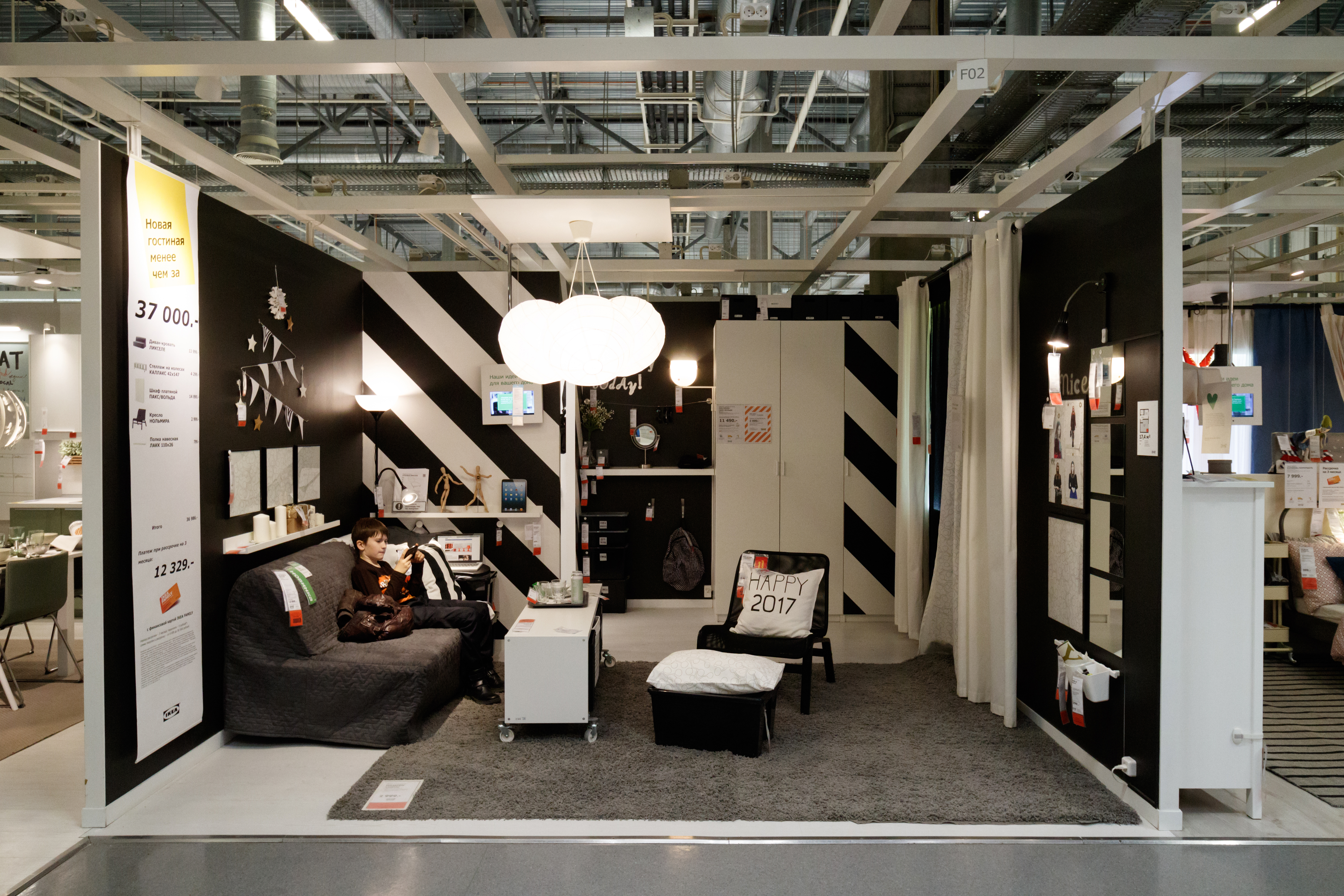
Measure the width of every route between doors, sofa and table before you move furniture. A room feels crowded when people must turn sideways to pass. Sketch the plan and mark swing space for drawers. Move the sofa first, then see where smaller pieces fit.
What to check
Look at the part of the room or product used each day before changing anything. Make the test specific to the idea above. Keep the result only when it improves access, comfort or safety, and note what you would do differently next time. Do not change wires, building structure or chemical instructions to force a result.
2. Set one job for each zone
A corner can serve reading, work or family time, but trying to fit all three at once often creates clutter. Choose the main activity and give it one clear surface. Put seldom-used gear away. The room can have multiple jobs as long as they do not compete for the same path.
When to stop
Check measurements, labels and compatibility; a quick purchase can create a new problem. Make the test specific to the idea above. Keep the result only when it improves access, comfort or safety, and note what you would do differently next time. Do not change wires, building structure or chemical instructions to force a result.
3. Move tall furniture away from narrow entries
A tall bookcase beside a narrow doorway can feel like a wall. Try moving it to a less busy side or using a shorter storage unit you already have. Keep tall furniture securely anchored. The visual effect matters, but stability and clear exits matter more.
A practical next step
Try a reversible adjustment, then judge it after a full week of ordinary use. Make the test specific to the idea above. Keep the result only when it improves access, comfort or safety, and note what you would do differently next time. Do not change wires, building structure or chemical instructions to force a result.
4. Use daylight well
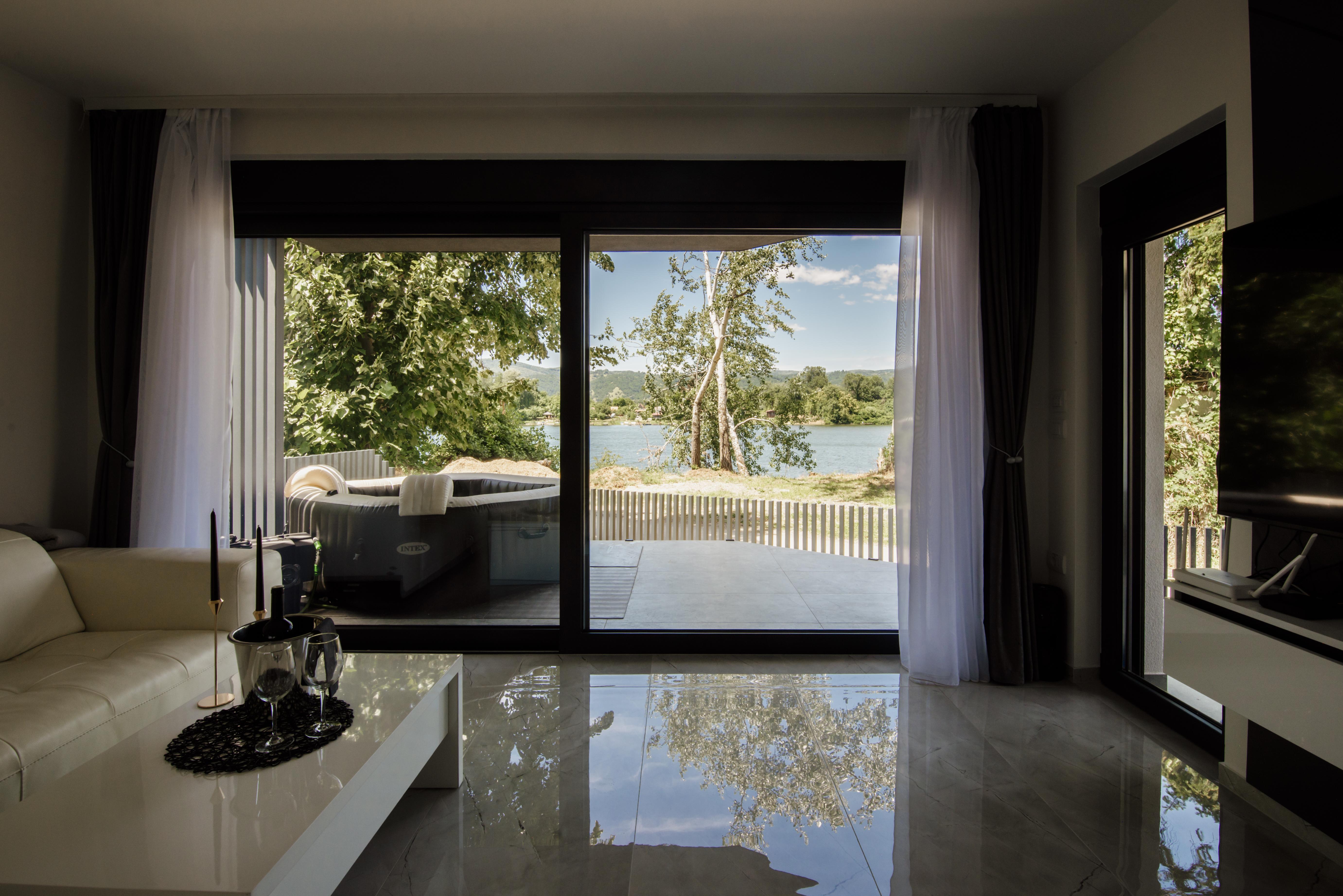
Wash windows safely and move heavy curtains aside in daylight. A mirror can reflect light when placed well, yet it can also cause glare. Watch the room at different hours before making changes. Do not remove privacy coverings just to make a room brighter.
A realistic test
Plan for maintenance and safe access, not just the first day the change looks new. Make the test specific to the idea above. Keep the result only when it improves access, comfort or safety, and note what you would do differently next time. Do not change wires, building structure or chemical instructions to force a result.
5. Build a useful lighting plan
Use light at different heights. A lamp near a reading chair does more work than one bright ceiling light across the whole room. Keep cords away from steps and ensure bulbs match fixtures. If wiring must be changed, use a qualified electrician.
What to check
Think about children, pets and other household members before choosing a setup. Make the test specific to the idea above. Keep the result only when it improves access, comfort or safety, and note what you would do differently next time. Do not change wires, building structure or chemical instructions to force a result.
6. Choose fewer decorative pieces
Choose a few items worth displaying and give each space to be seen. The goal is not bare walls but less visual noise. Group small objects rather than spreading them across every shelf. A clear surface helps the eye rest and is easier to dust.
When to stop
If the change affects safety-critical equipment or hidden building parts, seek professional help. Make the test specific to the idea above. Keep the result only when it improves access, comfort or safety, and note what you would do differently next time. Do not change wires, building structure or chemical instructions to force a result.
7. Clear the coffee table
When the coffee table holds mail, chargers, cups and toys, it stops serving its main purpose. Keep a shallow tray for the few things used there every day. Give papers another home. A table with visible empty space makes movement and cleaning easier.
A practical next step
Compare the cost of the fix with the problem it solves; more gear is not always better. Make the test specific to the idea above. Keep the result only when it improves access, comfort or safety, and note what you would do differently next time. Do not change wires, building structure or chemical instructions to force a result.
8. Use wall space with care
Wall hooks and shelves save floor area only when fitted safely. Check the wall type, mounting instructions and weight rating. Avoid heavy items above seats. In a rental, get approval before drilling and consider freestanding pieces if they fit the floor plan better.
A realistic test
Look at the part of the room or product used each day before changing anything. Make the test specific to the idea above. Keep the result only when it improves access, comfort or safety, and note what you would do differently next time. Do not change wires, building structure or chemical instructions to force a result.
9. Rethink the rug size
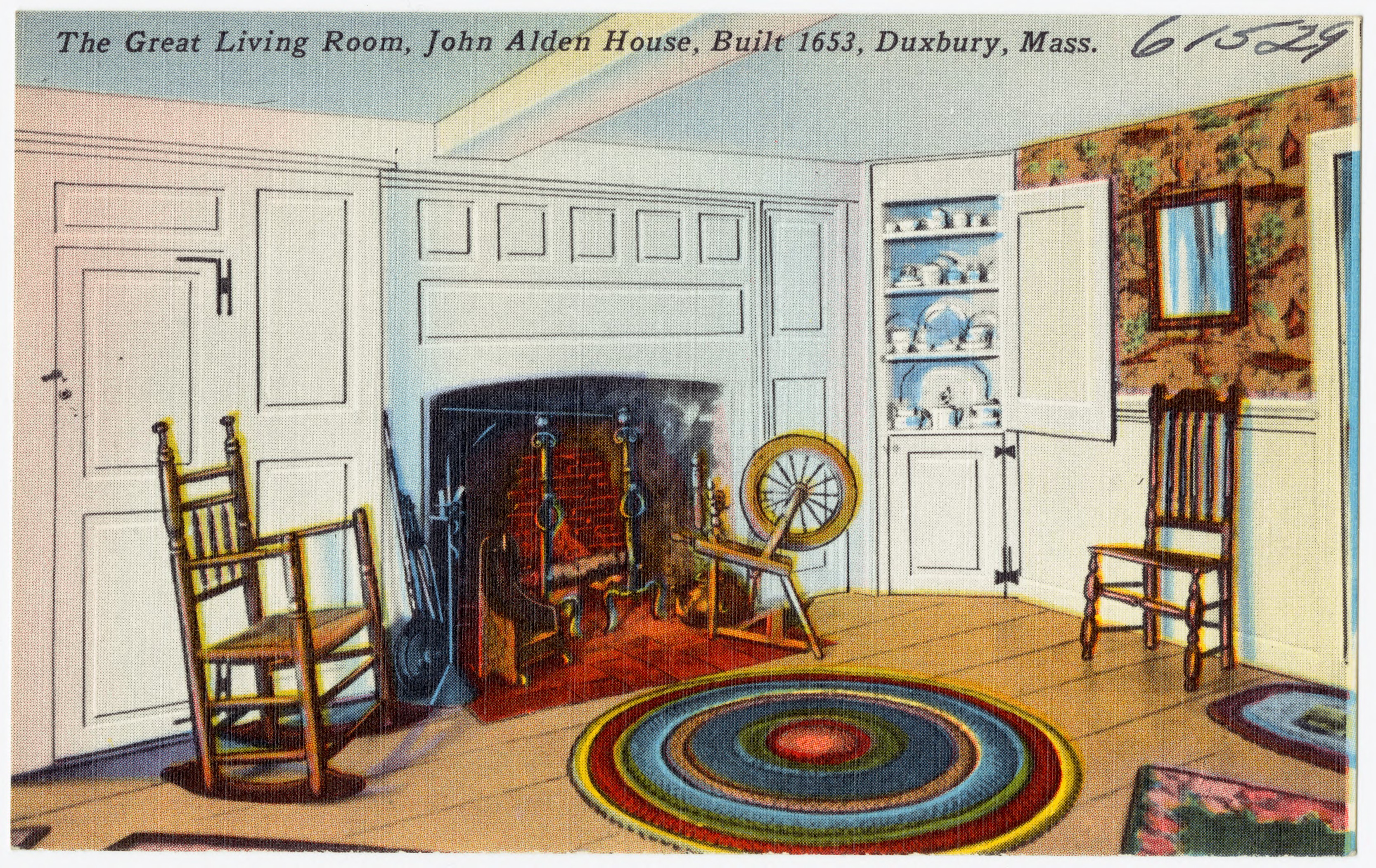
A rug that is too small can make furniture seem disconnected; one too large may crowd door swings. Tape its planned edges on the floor before buying. Keep corners flat and use suitable non-slip backing. Rugs should soften a space, not create a fall hazard.
What to check
Check measurements, labels and compatibility; a quick purchase can create a new problem. Make the test specific to the idea above. Keep the result only when it improves access, comfort or safety, and note what you would do differently next time. Do not change wires, building structure or chemical instructions to force a result.
10. Check the scale of the sofa
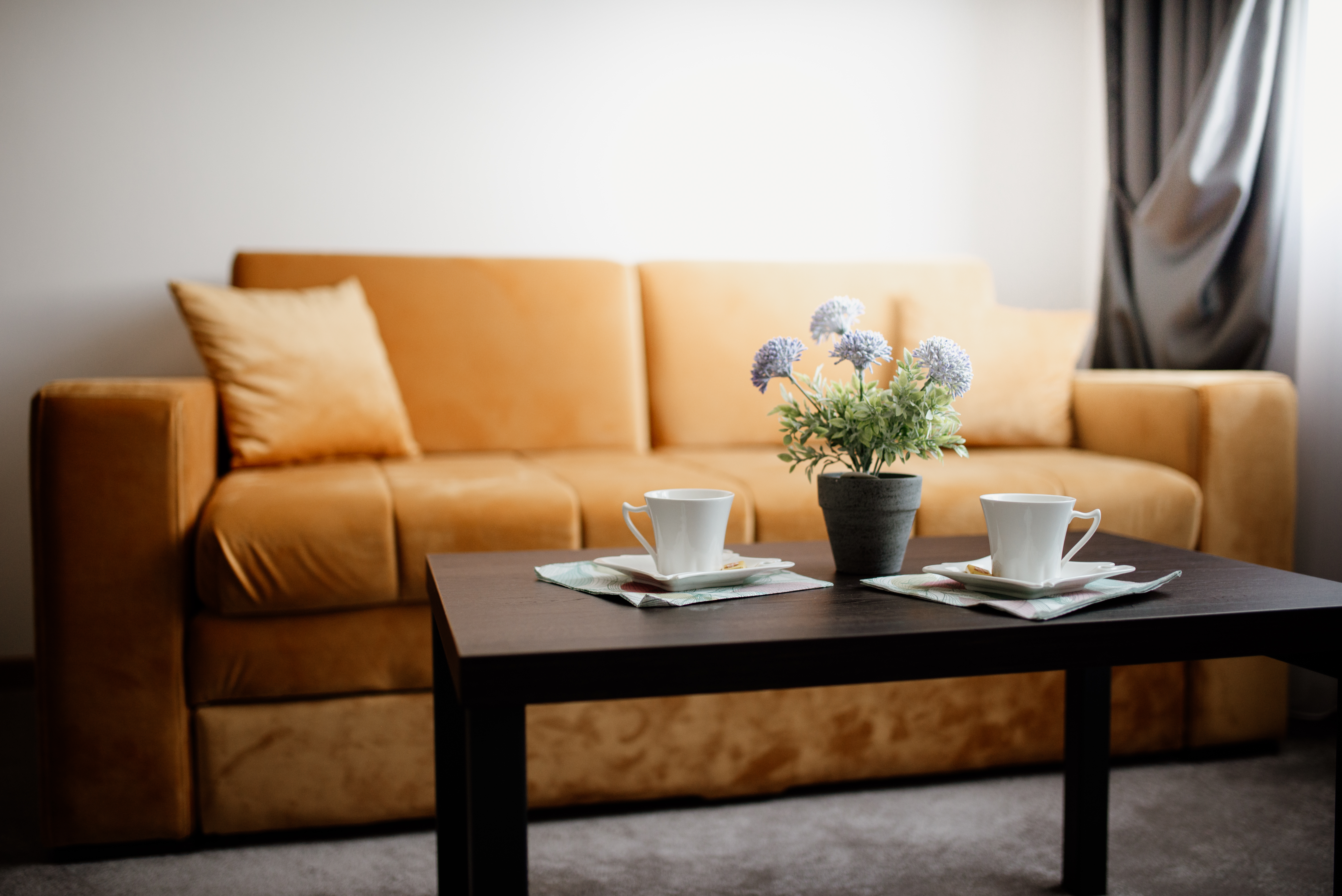
A sofa may look compact online but still block a room when its arms and depth are included. Measure the full footprint and route through the doorway. Try shifting an existing sofa away from the entry before replacing it. Sometimes a different layout is enough.
When to stop
Try a reversible adjustment, then judge it after a full week of ordinary use. Make the test specific to the idea above. Keep the result only when it improves access, comfort or safety, and note what you would do differently next time. Do not change wires, building structure or chemical instructions to force a result.
11. Hide cables safely
Power cords running across the floor make even a tidy room look messy and can cause trips. Route cables behind furniture without crushing them, and do not overload outlets or hide power strips under rugs. Keep plugs accessible and use approved cable management.
A practical next step
Plan for maintenance and safe access, not just the first day the change looks new. Make the test specific to the idea above. Keep the result only when it improves access, comfort or safety, and note what you would do differently next time. Do not change wires, building structure or chemical instructions to force a result.
12. Create a home for daily items
Give remotes, game controls, books and blankets a clear place. A single basket near where the items are used can beat a large cabinet on the far wall. Empty it when it fills rather than buying another. Keep the system simple enough for visitors.
A realistic test
Think about children, pets and other household members before choosing a setup. Make the test specific to the idea above. Keep the result only when it improves access, comfort or safety, and note what you would do differently next time. Do not change wires, building structure or chemical instructions to force a result.
13. Test layout changes with tape
Use painter’s tape to outline a proposed chair or side table. Sit down, open the door and walk the same route used every day. If you bump into the tape, revise the plan. This prevents furniture purchases that fit on paper but fail in real life.
What to check
If the change affects safety-critical equipment or hidden building parts, seek professional help. Make the test specific to the idea above. Keep the result only when it improves access, comfort or safety, and note what you would do differently next time. Do not change wires, building structure or chemical instructions to force a result.
14. Keep the view across the room open
From the doorway, look across the room toward the window or main seat. Moving one tall object may improve the view. Keep passageways open and avoid stacking storage against glass. An uncluttered sightline helps a small room feel calm without any construction.
When to stop
Compare the cost of the fix with the problem it solves; more gear is not always better. Make the test specific to the idea above. Keep the result only when it improves access, comfort or safety, and note what you would do differently next time. Do not change wires, building structure or chemical instructions to force a result.
Safety and source guidance
Do not block exits, place rugs where they slide, or anchor shelves without the correct fixings. For related public guidance, consult Department of Energy. This source is especially useful when the job involves layout, daylight, and practical storage. Requirements vary by building, product and location, so check local rules and instructions before you start.
Final takeaway
Choose the change that removes the most common daily problem. Keep the process easy to repeat. Record the result and adjust it after a few days of use. Stop when a task involves hidden damage or a safety-critical system, and ask a qualified person for support.
Featured photo source: Wikimedia Commons file details and attribution. Image resized for web use.

Featured photo: Wikimedia Commons source and credits.
Common layout questions
What should I move first?
Start with large furniture that blocks the route from the door to the main seat. Then clear the coffee table and check whether drawers can open fully.
Should I buy a smaller sofa?
Only after measuring the current one and testing another layout. Sometimes a side table or unused chair is the real cause of congestion.
Example: a narrow living room with a large sofa
Imagine a room that is 3 meters wide with a deep sofa, a coffee table and a television stand. The entry door opens toward the sitting area. The coffee table leaves only a narrow path, so everyone walks sideways. Buying another storage cabinet will not solve the problem. First, measure the open route and put tape on the floor where the table could move. Try the sofa along another wall if door and window clearances allow it. A smaller side table you already own may replace the coffee table for daily drinks.
Next, look at lighting. If the sofa blocks a window, moving it may add useful daylight. If evening reading is dim, a lamp beside the seat may help more than changing the whole ceiling fixture. Put remote controls in one tray rather than spreading them across the table. Live with the new layout for a week. Notice whether people can enter, sit and reach the main items with no obstacle.
Do not measure success by whether the room looks empty. A room with toys, books and family photos can still feel comfortable when people can move through it. Keep cords secured, tall storage stable and clear access to the door. The best layout is the one that works on an ordinary busy evening.
How to judge a living room layout after a week
A layout that looks attractive on the first day may fail during normal use. Watch where bags land, which chair gets moved most and whether people must reach awkwardly for lamps or chargers. Notice what happens when two people walk through the room at once. These clues show whether the open path is wide enough and whether storage belongs closer to a seat or the doorway.
Do not judge the room only in daylight. At night, check for glare on the television, shadows around a reading chair and floor hazards near the entrance. Move a lamp before replacing furniture. Keep sockets accessible and avoid trailing cords. If the room feels easier to use but still holds the same items, the new arrangement is doing its job.
Leave a Reply