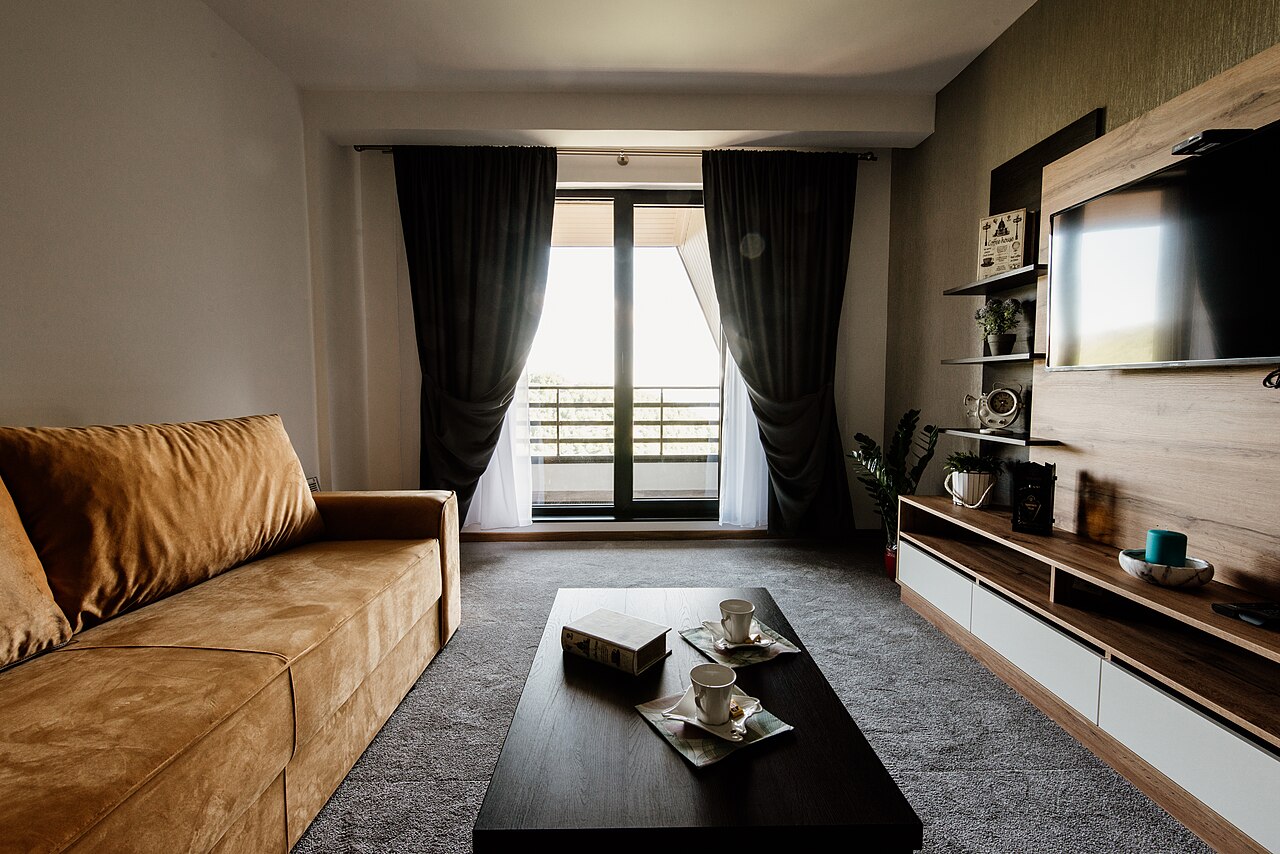
15 Easy Home Improvements That Make a Big Difference
Small home improvements can solve problems you face every day. You may want better light, less clutter, fewer drafts, or a room that is easier to clean. This guide looks at practical changes that do not need a full renovation. It also shows where to stop and call a trained professional. The best project is one that fits your space, skill, and budget.
Quick checklist before you start
- Choose one issue that bothers you each day.
- Measure the space and check the materials.
- Set a clear budget and leave room for small extra costs.
- Review safety rules and seek help for risky work.
1. Start With the Small Repairs You Can See
A better home does not always need a major remodel. A loose door handle, a dark corner, or a shelf full of clutter can make a room feel harder to use. Fixing these small issues first gives you a clear result without a large bill. Walk through your home with a notebook. Look for things that get in the way of daily life. Note doors that stick, rooms that feel dim, and storage that is hard to reach. Focus on comfort, safety, and ease of use instead of looks alone. Before you buy a tool or a new fixture, decide what problem it needs to solve.
How to put it into practice
Try a short home walk-through during the day and another at night. Daylight may reveal wall marks or worn seals. In the evening, you may find poor task lighting near a desk or kitchen counter. Take a photo of each problem so you can compare it with your finished work. Write down rough costs and how much time each task may take. A simple plan makes it easier to finish one job before starting another.


2. Improve Lighting Before Buying New Decor
Lighting can change how a space feels and how well it works. Start by asking what happens in each part of the room. A kitchen counter needs clear task light. A reading chair needs light close to the page. A hallway needs a safe path at night. The goal is not to make every room bright all the time. It is to place light where people need it. Check whether the bulbs already in place match the use of the space. Look for glare on screens and deep shadows near work areas.
How to put it into practice
For a home office, move the desk lamp so your hand does not cast a shadow over the page. In a living room, add a reading lamp instead of replacing the ceiling fixture. Warm bulbs can suit a rest area, while a neutral white bulb may help with close work. Check lamp wattage limits and fixture labels. When a fixture needs new wiring, use a licensed electrician. Swapping a bulb is a small task; changing electrical circuits is not.
3. Seal Easy Drafts Around Doors and Windows
A room can feel cold near a door even when the heating is on. Small gaps let outside air move in and indoor air move out. The U.S. Department of Energy describes caulk and weatherstripping as simple air-sealing methods. Caulk is used for still gaps, while weatherstripping is used where doors or windows move. The right choice depends on the location of the leak. Do not seal vents meant to supply fresh air or any opening needed for fuel-burning equipment.
How to put it into practice
Close the door and feel for a draft around its edges on a windy day. Look for a worn door sweep or cracked seal. Measure the gap before buying a new strip. Clean and dry the frame, fit the seal as directed, and check that the door still closes with no force. For cracked exterior caulk, follow the sealant maker’s advice about surface prep and weather. If you find damp wood, mold, or a large gap, fix the cause first. Covering damage can trap moisture and make repairs harder later.
4. Make Entry Storage Work for Daily Life
The entryway handles a lot of items in a small space: keys, shoes, bags, mail, and jackets. When each item has no set place, the clutter spreads into other rooms. You do not need a built-in cabinet to make the area work. Use a small tray for keys, sturdy hooks for bags, and a shoe mat that is easy to clean. Keep the walking route open. Place things used every day at a height that is easy to reach.
How to put it into practice
Think about what happens when someone comes home with groceries in both hands. Can they put down a bag, hang their keys, and remove wet shoes without blocking the door? If not, move the storage closer to where those actions happen. In a rented home, choose items that do not damage walls where possible. Check load limits on adhesive hooks, especially for coats and heavy bags. If you mount a rail or shelf, use fasteners that suit the wall material.


5. Create More Space Without Moving a Wall
A small room often feels crowded because it has too many pieces of furniture or no clear route between them. Measure the open floor area and the furniture you want to keep. Then move large pieces first. A sofa pressed into a doorway or a table in a walking path can make even a good-sized room feel tight. Leave room to open drawers and doors. Avoid choosing new furniture from a photo alone; size matters more than style.
How to put it into practice
Try one low-cost test. Use painter’s tape on the floor to mark the footprint of a new shelf, table, or cabinet. Walk around it for a day. If the tape crosses a common path, the item may not fit your routine. Choose storage with doors when you need to hide small items, or open shelves for the things you use often. Do not fill every open corner. Empty space can be a useful part of a room’s design.
6. Refresh a Room With Paint Preparation
Painting can make a room look cleaner, but the work begins before the first coat. Dust on a wall, loose paint, or small holes can spoil a finish. Take the time to clean the surface and repair defects with suitable materials. Test the color in several spots. Light can change how it looks from morning to night. Use drop cloths, protect outlets, and read the paint label for drying time, safe use, and ventilation.
How to put it into practice
If your wall has a stain, find out what caused it before covering it. Water marks may point to a leak. Paint alone will not stop it. Homes built before 1978 in the United States may contain lead-based paint; disturbing old coatings can be dangerous. Follow the EPA’s lead safety guidance and hire an appropriate professional for risky work. When painting a normal sound wall, work in small areas and let each coat dry as the maker directs. A patient finish usually looks better than a rushed one.
7. Update Cabinet Handles and Small Hardware
Cabinet pulls, hooks, and door stops are easy to overlook because they are small. Yet you touch them each day. If a drawer pull is loose or sharp, replacing it can improve daily use. Before ordering new hardware, measure the distance between screw holes. Two handles that look the same may have different sizes. Keep the old screws until the new piece fits.
How to put it into practice
For a kitchen drawer, remove one handle and measure from the center of one screw hole to the center of the other. Check how far the new pull will project so it will not hit an appliance or neighboring cabinet. For a bathroom, choose a finish that can handle moisture and clean it using the manufacturer’s advice. Do not force a screw that does not line up. It can damage the drawer front.
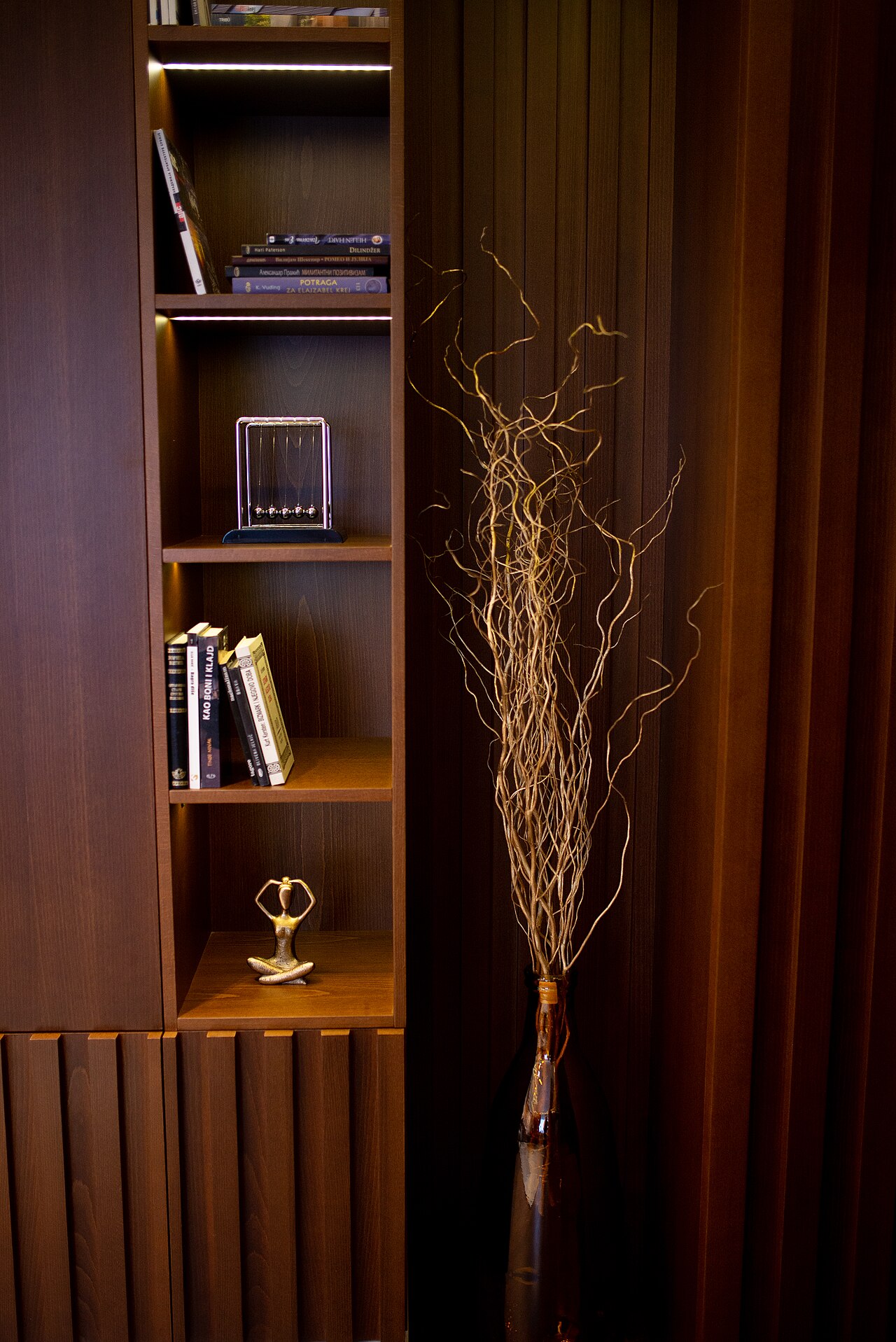

8. Organize Cabinets by Use, Not by Color
A neat cabinet is helpful only if it stays easy to use. Store the things you reach for most near the front and at a safe height. Put items used once a month farther back. This is more useful than buying matching bins for everything. Take out all items from one cabinet, wipe it clean, and group what remains by how you use it. Give each group enough space to be seen.
How to put it into practice
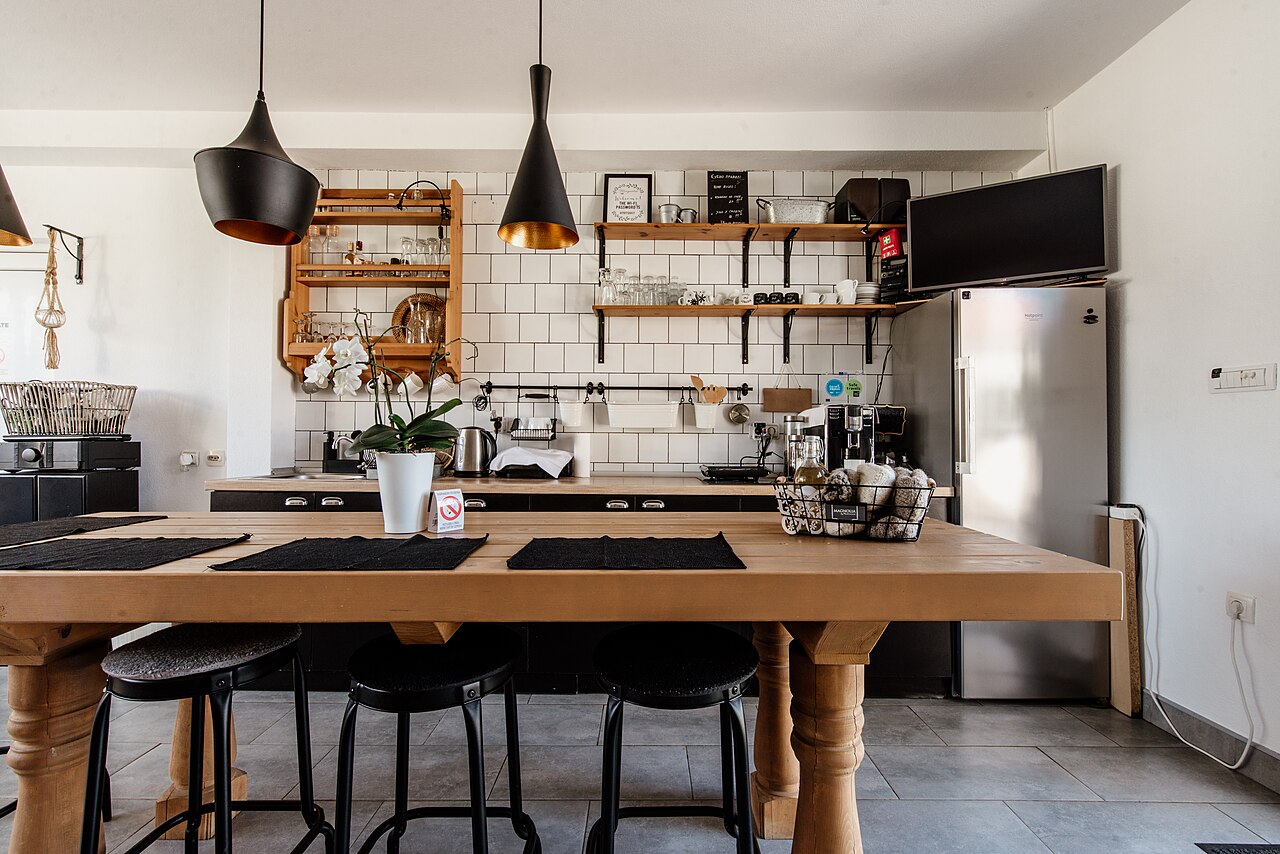
In a kitchen, keep cups close to where you pour drinks and pans near the cooking area when the layout allows it. Heavy items should stay low, not on a high shelf that needs a step stool. Place cleaning products in secure storage away from food and children. The first goal is a safe and simple routine. Labels help in shared spaces, but only when the label matches what is stored inside.
9. Choose Easy-to-Clean Surfaces and Habits
A home that looks fresh after one long cleaning day may still be hard to maintain. Look for the places where dirt collects: behind a bin, under a shoe rack, and around a sink. Small changes in layout can make these areas easier to reach. Leave space for a cloth or vacuum head. Use a washable mat in spots that collect water or mud. Do not choose a new surface only because a picture looks attractive.
How to put it into practice
The CDC says cleaning with soap and water is enough for most routine household situations. Disinfection is more important when someone has been sick. This means you can focus on a steady cleaning routine rather than spraying strong products everywhere. Always use the right product for the surface and follow its label. Never mix household cleaners; the EPA warns that chemical mixes can release dangerous vapors.
10. Build a Useful Small Work or Study Spot
You do not need a whole spare room to create a place to study or work. Start with a flat surface, a stable chair, light, and space for the tools you use. Put the screen or book where you can view it without bending your neck for long periods. Keep cables out of walking routes. The spot should be easy to leave tidy at the end of the day.
How to put it into practice
In a shared living room, a narrow desk or fold-down surface might do more good than a large unit. Before buying one, mark the size on the floor and check whether the chair can move back. Add a small tray for pens and a place to charge a device. If you can clear the area in two minutes after work, it is more likely to stay useful. Good design often means reducing the number of steps in a routine.
11. Reduce Noise With Simple Changes
Hard floors, bare walls, and empty rooms can make everyday noise feel sharp. Start by finding the source. A door may slam because its latch is loose. A chair may scrape the floor because its feet have no pads. A rug may soften footsteps in one area, though it will not soundproof a room. Fix the source before buying expensive wall panels.
How to put it into practice
Check chairs and tables for loose joints. Add suitable felt pads to clean furniture feet and replace them when they wear out. Make sure rugs sit flat and do not create a trip risk. If noise comes from a mechanical fan or appliance, follow the maker’s service instructions. Loud or new sounds can signal a fault. Decorative foam is not a substitute for safe building work or proper sound isolation.
12. Improve Bathroom Storage Without Trapping Moisture
Bathrooms tend to fill with bottles, towels, and cleaning supplies. The room may be small, and moisture can make storage harder. Keep daily items easy to reach, but do not crowd the sink. Choose materials suited to damp rooms and leave room for surfaces to dry. Check for drips under the basin and around supply lines. A cabinet full of products can hide a leak.
How to put it into practice
For a busy family bathroom, give each person a small, separate basket and keep spare supplies in a dry storage area. Mount towel hooks so wet fabric can spread out and dry. Run the bathroom exhaust fan when you use the shower and follow local guidance for ventilation. If you see recurring mold growth, investigate moisture and ventilation rather than only wiping the visible spot. Long-term dampness deserves more than a cosmetic fix.
13. Upgrade Safety Basics Alongside Decor
Some of the best home improvements are not the ones you notice in photos. Good lighting on stairs, a clear exit, and working smoke alarms help make daily life safer. Check whether rugs slide, cords cross a path, or storage blocks a doorway. Use child-safe storage where needed. If a handrail is loose, do not treat it as a decorative issue. Get it repaired with suitable methods.
How to put it into practice
Use a short monthly safety walk to test what is easy to check. Follow the alarm maker’s instructions for testing and replacement. Know where your home’s water shutoff is, and label it if helpful. Keep a flashlight in a known spot. Do not attempt repairs involving gas lines, structural elements, or electrical circuits unless you are trained and authorized to do so. A safer home is a better home, even when the change is not visible.

14. Make a Budget That Fits the Real Job
A small project can cost more than expected when you count only the main item. A shelf may also need brackets, wall anchors, drill bits, and paint touch-ups. Write out each part before you shop. Compare two or three options based on durability and fit, not the largest discount. Keep a modest reserve for small surprises. If the reserve is not available, choose a project that is easier to stop safely.
How to put it into practice
Try a simple three-column plan: item, estimated cost, and actual cost. Note whether the work is safe to do yourself. A low price is not a bargain when it leads to water damage or unsafe wiring. Borrowing a tool may cost less than buying one for a single task. In a rental home, check the lease or get the right approval before drilling, painting, or changing fixtures.
15. Plan One Weekend, Not a Whole Renovation
Too many projects at once can leave a home more stressful than before. Pick one change that solves a clear issue. Gather supplies first and check the full instructions. Clean the area, complete the work, and put everything away before starting another job. Take a photo of the result. This helps you see progress and spot anything that needs follow-up.
How to put it into practice
A useful weekend plan might be to fix a door seal on Saturday morning, sort one entry cabinet after lunch, and review the result on Sunday. That is often more realistic than painting three rooms, mounting shelves, and replacing hardware all at once. Leave time for cleaning up and handling waste in line with local rules. The aim is a finished, safe improvement you can enjoy during the week.
16. Know When to Call a Professional
DIY is valuable when the task is within your skills and the risk is low. But hidden water leaks, unsafe wiring, gas equipment, structural changes, and major mold problems need the right expertise. Some work also needs permits. Check local rules before you start. A professional can cost more up front while helping avoid unsafe mistakes and repeated repairs.
How to put it into practice
Tell a contractor what you have seen, when the problem began, and what you have already tried. Ask for a written scope of work and confirm licensing or insurance where required. Keep photos and receipts. Do not assume the cheapest quote includes the same work as the others. A careful comparison can help you understand what is included, what is excluded, and how the space will be left at the end.
17. Keep the Improvement Working
After any change, ask whether it made the room easier to use. A new storage rail is helpful only when bags still go back on it after a week. A seal is helpful only when the door closes well and the draft is reduced. Check your work after normal use. Tighten safe, accessible hardware as instructed and replace worn pads or organizers when needed.
How to put it into practice
Avoid buying several more items before you know whether the first change worked. Small tests give better clues than a large shopping list. Keep notes on paint colors, hardware sizes, and product models. This can save time when you need a replacement later. A useful home is not one that never gets messy; it is one that supports a routine and is easy to put back in order.
Final Thoughts
Start with the change that helps you most each day. A good repair does not need to be expensive, and a tidy room does not need to be full of new products. Plan the work, check that it is safe, and give each result time to prove its value. If a task involves hidden damage or safety-critical parts of the home, ask a qualified professional before making changes.
Leave a Reply