Beginner’s Guide to DIY Home Maintenance
New homeowners often discover small faults when they are least ready for them. A dripping tap, sticking door or dusty filter can be hard to judge. This beginner guide separates safe checks from jobs that need a professional. It also shows how to keep a simple record so minor issues are not forgotten.
Before you begin
- Check the space and list the main problem.
- Read product labels and measure before making changes.
- Set aside time to clean up and review the result.
1. Create a home checkup notebook
Use a notebook or phone note with one page for each room. Record the date of a leak, a replacement bulb, or a strange noise. Add photos when they help. Over time you will see which repairs recur and which parts have already been serviced.
Test this change
After the first change, use the room for a normal day and note which step still causes trouble. Fix that one before adding another product. Think about the exact task described above and whether the item is safe, easy to reach and simple to maintain. Do not buy a new storage item, cleaner or tool until you have checked what is already at hand.
2. Know where the water shutoff is
Find the main water shutoff before a pipe leaks. Check that adults in the home know where it is and how it is labeled. Do not force a seized valve. If the valve does not work or is hard to access, ask a plumber to inspect it.
What makes it work
A quick sketch, photo or measurement can prevent the wrong purchase. Keep parts that need later access clear and follow the maker’s instructions. Think about the exact task described above and whether the item is safe, easy to reach and simple to maintain. Do not buy a new storage item, cleaner or tool until you have checked what is already at hand.
3. Inspect faucet leaks

Look under sinks for damp patches, swollen cabinet boards or drops at joints. Dry a small spot and check again to see whether moisture returns. A persistent leak needs repair, not just a towel. Water can damage floors even when the drip seems minor.
Avoid a common mistake
The best result is one another person in the home can use without being taught a complicated system. If it fails that test, simplify it. Think about the exact task described above and whether the item is safe, easy to reach and simple to maintain. Do not buy a new storage item, cleaner or tool until you have checked what is already at hand.
4. Check doors and hinges
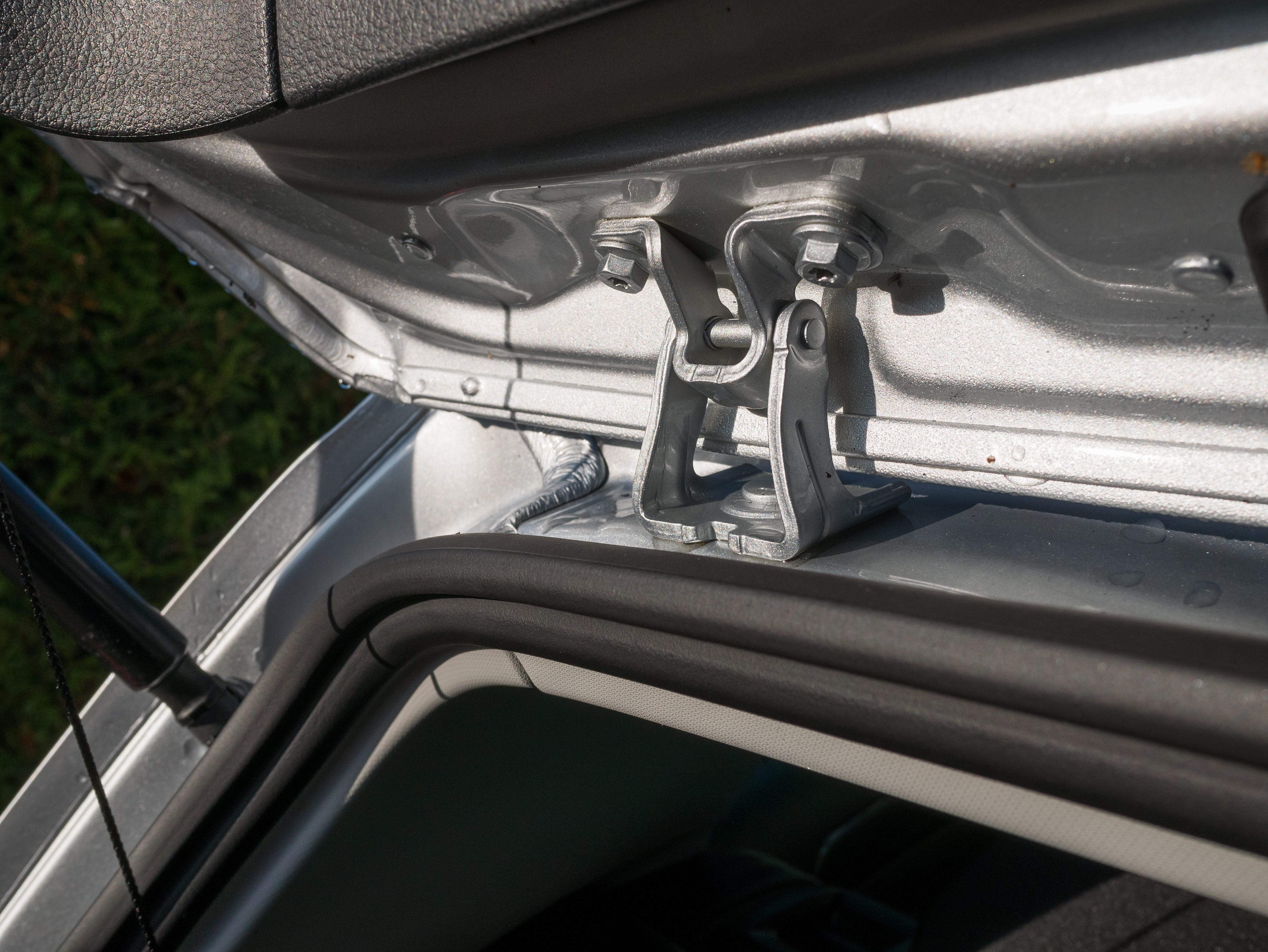
A door that rubs may have a loose hinge or a swollen frame. Check visible screws and movement before trying to plane wood. Use the right driver and avoid stripping screw heads. Fire-rated doors and damaged frames need particular care; ask a professional when unsure.
Check the details
Avoid trying to solve several problems in one weekend. Finish the small job, remove waste and check the outcome before moving to the next area. Think about the exact task described above and whether the item is safe, easy to reach and simple to maintain. Do not buy a new storage item, cleaner or tool until you have checked what is already at hand.
5. Look for worn window seals
Look for cracked caulk and brittle seals around windows, but first check whether the area is wet. Weatherstripping suits moving edges; caulk suits fixed gaps. The Department of Energy explains that air leaks affect comfort and energy use. Do not block intended ventilation.
Test this change
If a shortcut would hide a leak, damage the surface or block a safe route, it is not a useful shortcut. Correct the cause first. Think about the exact task described above and whether the item is safe, easy to reach and simple to maintain. Do not buy a new storage item, cleaner or tool until you have checked what is already at hand.
6. Clean accessible vents and grilles
Dusty supply grilles can be wiped or vacuumed when reachable. Do not push tools into ductwork or take apart powered equipment. Keep furniture away from air outlets. If a filter is involved, use the correct model and the replacement schedule from the equipment maker.
What makes it work
Check costs beyond the item itself: fixings, replacement parts and future upkeep matter. Sometimes moving what you own solves the issue. Think about the exact task described above and whether the item is safe, easy to reach and simple to maintain. Do not buy a new storage item, cleaner or tool until you have checked what is already at hand.
7. Notice unusual appliance sounds
A rattling fan or buzzing appliance may signal a loose part or a fault. Stop using equipment that smells burnt, overheats or trips a breaker. Record the sound and its timing before calling service. Do not open sealed appliances to look for the cause.
Avoid a common mistake
Make a note of what changed so you can compare the result after a week. A change that works only for a photo is unlikely to last. Think about the exact task described above and whether the item is safe, easy to reach and simple to maintain. Do not buy a new storage item, cleaner or tool until you have checked what is already at hand.
8. Track filter replacement dates
Make a list of the home’s air, water and appliance filters. Write down model numbers from the manuals and a sensible inspection date. Some filters need more frequent care in dusty homes. Replacing a filter too late may reduce airflow or equipment performance.
Check the details
After the first change, use the room for a normal day and note which step still causes trouble. Fix that one before adding another product. Think about the exact task described above and whether the item is safe, easy to reach and simple to maintain. Do not buy a new storage item, cleaner or tool until you have checked what is already at hand.
9. Check bathroom moisture
Check the area behind the toilet, under the vanity and around the shower screen. Peeling paint, persistent dampness and recurring mold need investigation. Run ventilation as recommended and fix water sources. Surface cleaning alone does not solve hidden moisture.
Test this change
A quick sketch, photo or measurement can prevent the wrong purchase. Keep parts that need later access clear and follow the maker’s instructions. Think about the exact task described above and whether the item is safe, easy to reach and simple to maintain. Do not buy a new storage item, cleaner or tool until you have checked what is already at hand.
10. Keep drains clear without harsh shortcuts
Use strainers where appropriate and clear visible debris before it builds up. Avoid mixing drain chemicals or using them after another cleaner. Slow drains may need a plumber, especially if several fixtures are affected. Keep track of repeated clogs rather than forcing a fix.
What makes it work
The best result is one another person in the home can use without being taught a complicated system. If it fails that test, simplify it. Think about the exact task described above and whether the item is safe, easy to reach and simple to maintain. Do not buy a new storage item, cleaner or tool until you have checked what is already at hand.
11. Test safety alarms as directed
Locate smoke and carbon monoxide alarms, note their models and follow manufacturer and local requirements for tests and replacements. Never disconnect a sounding device simply to stop the noise. If an alarm indicates a possible emergency, follow the appropriate emergency guidance.
Avoid a common mistake
Avoid trying to solve several problems in one weekend. Finish the small job, remove waste and check the outcome before moving to the next area. Think about the exact task described above and whether the item is safe, easy to reach and simple to maintain. Do not buy a new storage item, cleaner or tool until you have checked what is already at hand.
12. Choose a basic tool kit
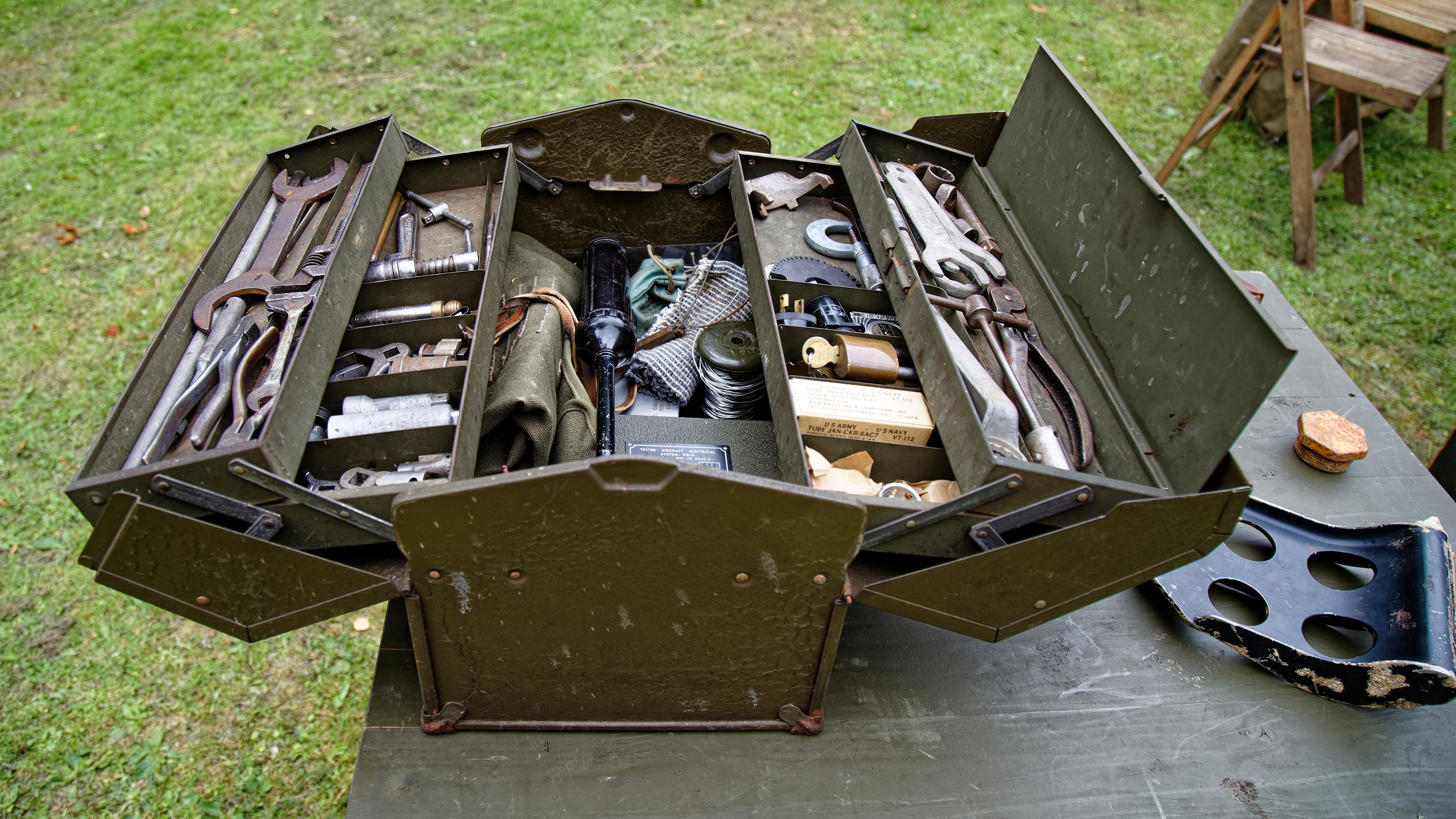
A small kit can include a tape measure, flashlight, screwdrivers, adjustable wrench and gloves. Choose decent tools that fit your hands. Store them dry and away from children. Buying a specialized power tool for one task is rarely necessary when safe borrowing or professional help is available.
Check the details
If a shortcut would hide a leak, damage the surface or block a safe route, it is not a useful shortcut. Correct the cause first. Think about the exact task described above and whether the item is safe, easy to reach and simple to maintain. Do not buy a new storage item, cleaner or tool until you have checked what is already at hand.
13. Know the limits of DIY
Stop before opening electrical panels, altering gas lines, removing structural supports or working at unsafe heights. These projects can cause serious injury and may require permits. Knowing your limit is a home maintenance skill. Licensed specialists can identify hidden faults that a visual check misses.
Test this change
Check costs beyond the item itself: fixings, replacement parts and future upkeep matter. Sometimes moving what you own solves the issue. Think about the exact task described above and whether the item is safe, easy to reach and simple to maintain. Do not buy a new storage item, cleaner or tool until you have checked what is already at hand.
14. Plan seasonal checkups
Weather changes affect different parts of a home. Before wet months, inspect safe-to-reach drainage points; before cold weather, check seals and heating service dates. After a storm, look for fresh water stains from indoors. A seasonal checklist helps prevent forgotten tasks.
What makes it work
Make a note of what changed so you can compare the result after a week. A change that works only for a photo is unlikely to last. Think about the exact task described above and whether the item is safe, easy to reach and simple to maintain. Do not buy a new storage item, cleaner or tool until you have checked what is already at hand.
Safety and source guidance
Do not attempt electrical, gas, structural, or major plumbing work without a qualified professional. For related public guidance, consult Department of Energy. This source is especially useful when the job involves safe inspection, early repairs, and keeping records. Requirements vary by building, product and location, so check local rules and instructions before you start.
Final takeaway
Choose the change that removes the most common daily problem. Keep the process easy to repeat. Record the result and adjust it after a few days of use. Stop when a task involves hidden damage or a safety-critical system, and ask a qualified person for support.
Featured photo source: Wikimedia Commons file details and attribution. Image resized for web use.
Featured image: Wikimedia Commons source and credits.
Frequently asked maintenance questions
What should a beginner inspect every month?
Look for leaks in accessible areas, check safe-to-reach door seals, keep vents clear and check any equipment dates in its manual. Do not open electrical panels or dismantle major appliances to complete a checklist.
How do I know when to stop a DIY job?
Stop when the job involves gas, wiring, height, structural parts or a leak you cannot isolate safely. A small symptom can hide a larger fault. Ask an appropriately licensed professional rather than guessing.
What records should I keep?
Save service dates, model numbers, receipts, warranties, photos of visible damage and contractor details. This helps identify repeat faults and makes future repairs easier.
When booking maintenance help, describe the symptom and when it began. Ask for a clear written scope, required credentials and parts details before work starts. Keep the invoice with the home’s repair history.
A simple first-month maintenance plan
In week one, locate the water shutoff, collect appliance manuals and write down emergency contacts. Do not operate unfamiliar controls just to test them. In week two, walk through the home and check easily visible areas under sinks, around toilets and beneath windows. Photograph a mark if you are unsure whether it is growing. In week three, check the manufacturer’s guidance for filters, ventilation and alarm testing. Put the next recommended dates in a calendar. In week four, review unresolved issues and decide which needs a plumber, electrician or other qualified trade.
For example, imagine finding a faint damp patch inside a kitchen cabinet. Dry the area, avoid placing cleaning bottles over the joint and observe whether water returns while the tap is used. If it does, arrange repair instead of hiding the patch with a liner. A first-time owner does not need to know how to rebuild the pipe. They need to recognize that water is present and act before the cabinet floor becomes damaged. Keep the date and photos with the home records.